Sorry, you need to enable JavaScript to visit this website.
Skip to main content
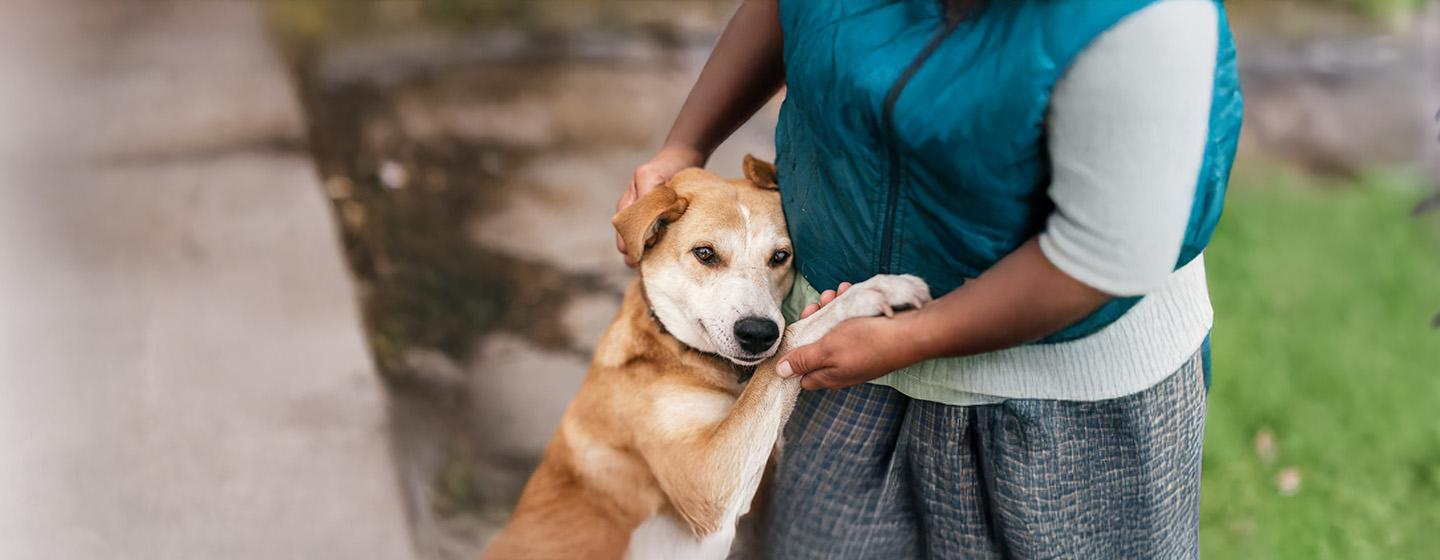
7 of the Best Dog Breeds for Families and Kids
8 mins read
Making the decision to grow your household by four paws is extremely exciting for all involved, but if you have children it can be difficult to find a suitable breed. We've created this guide to tell you all about the best dog breeds for families to help you to choose which best suits you. Dogs and kids can be a great match! Dogs encourage children to exercise and appreciate the outdoors, whilst also helping to develop the social skills of both dog and child alike. When thinking about adding a four-legged friend to the household, parents often worry about the specific dog breeds, as there are some which are a little less predisposed to tolerate the attentions of children. To help you ensure you find the best match for your family, we've created this guide to the best dog breeds for families. Keep reading for helpful advice and to learn which breeds are more predisposed to love family life. What characteristics makes a good family dog? First and foremost, it's generally less about the breed of your dog and more about their individual personality. If you're looking to share your home with both pup and child, your chosen dog should possess the following characteristics: • A calm and even temperament: your new dog should be calm and patient enough to be able to cope with the excitement of kids and eventually grow into a great friend for them. • An appropriate size: on average, very small dog breeds may be more excitable, and they could also be more fragile - as a parent you'll know that kids aren't always the gentlest. Large dog breeds on the other hand tend to be more docile, but they can run the risk of accidentally knocking small children over whilst playing. • Energy levels: this will largely depend on how active your family is. If you choose a high-energy dog, you'll need to make sure you have the time to take them for regular walks and playtime. Also, if you have young children who run around a lot, you shouldn't choose a low energy dog that may become frustrated by the constant excitement. It's not just about choosing the best dog breed for kids, but it's also about teaching your children to be kind to dogs, this will go a long way in ensuring you have a harmonious household. Best dog breeds for families Now you know about the characteristics that make a good family pet, it's time to look at dog breeds that generally have these traits. It's important to note that just because many owners have good experiences with these dog breeds and they are usually well-behaved around children, each dog is an individual, so there's always the risk that this won't be the case for every single dog.
Find a pet
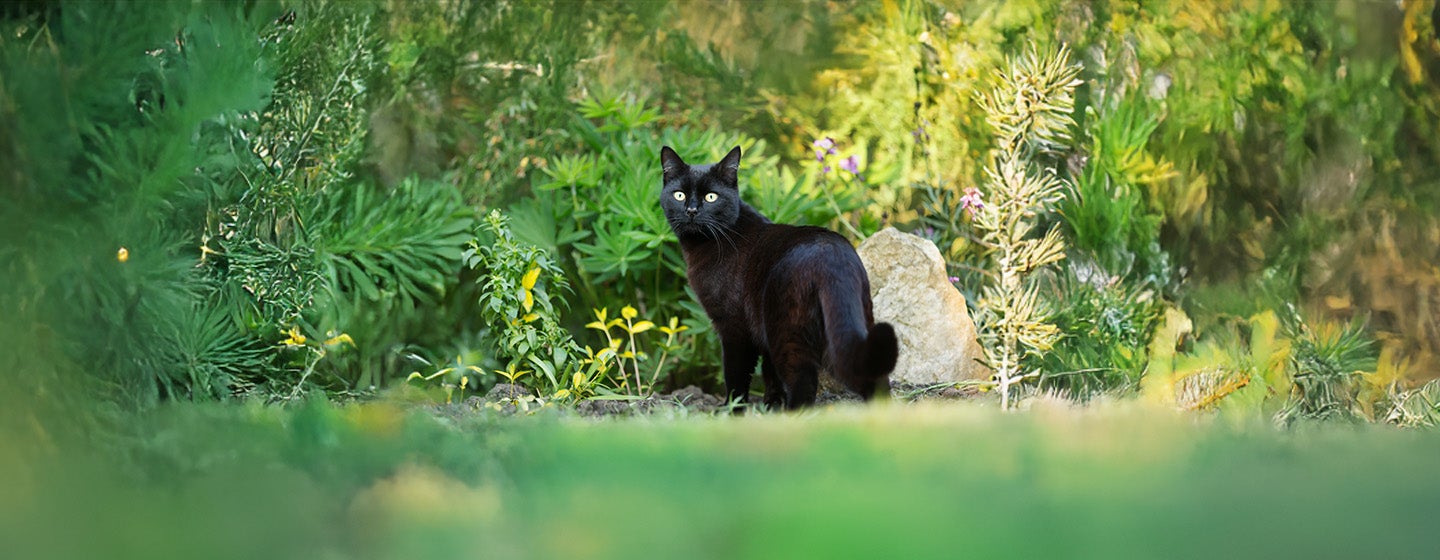
7 Awesome Black Cat Breeds You'll Want to Take Home
5 mins read
Black cats are friendly, playful, effortlessly elegant and have a lot of love to give. Discover some of the most popular black cat breeds here. Black cats have had a rough time compared to other cats. Through no fault of their own, black cats became known as the pets of witches a few centuries ago, and their bad reputation has created superstition and fear around them. To this day, some people are still fearful of crossing paths with a black cat, while some Instagram-conscious cat owners keep away from black cat breeds for fear that they don't photograph well. This means that black cats end up waiting the longest to find a loving home in animal shelters everywhere, so we think it's high time to show these cats some much-deserved love. Forget everything you think you know about black cat breeds and join us in falling in love with their beautiful coats and gentle natures. 7 amazing black cat breeds 1. Bombay - a breed for black cats only If you're looking forward to endless kitty cuddles on the couch, there is one black cat breed that will be happy to comply. It's the Bombay cat, a kitten truly dedicated to the colour black - their glossy coats come in this shade only. Bred to resemble their distant relative, the panther, the Bombay cat has a truly stunning appearance. Big, bright eyes and a smooth coat that has never known a "bad fur day" - what's not to like? These stunning black cats crave plenty of attention and will give lots of love in return. Plus, these cats like to say what's on their mind too, so be ready for all those lovely purrs about to come your way. 2. Oriental - a black cat worthy of all your attention Whether you're a fan of black shorthair cats or you prefer longhair cats instead, Oriental cats come in both hairstyles so you can take your pick. These slender cat breeds are full of energy, extremely devoted and affectionate, so you'll often find them peeking over your shoulder or greeting you at the door with sincere enthusiasm.
Find a pet
5 Hypoallergenic Dog Breeds
3 mins read
If you or a loved one suffers from dog allergies it can be really frustrating. But did you know that there are hypoallergenic dog breeds that might not provoke your allergies? Keep reading to find out more. If yourself or a loved one has a dog allergy it can be really frustrating, and you may feel like you're missing out on all the unwavering love that a dog offers. For those unfortunate enough to have an allergy, you may have heard of hypoallergenic dog breeds. These dog breeds are commonly recommended because they don't shed hair or they produce less of a protein that causes allergic reactions in people. But is there really such a thing as a hypoallergenic dog? Keep reading to find out what actually causes allergic reactions to dogs and which breeds could be best for you. What are hypoallergenic dog breeds? Hypoallergenic dog breeds tend to come in two distinct varieties: the first is dogs with little or no hair, such as the hairless Chinese Crested, and the other is breeds that don't shed their coat, which will need to have their fur regularly trimmed or stripped. There is plenty of debate around what exactly causes dog allergies, and many people believe that the allergy lies within the hair, so dogs that don't shed won't cause allergic reactions. However, this is not the case as most people with dog allergies aren't actually allergic to the fur, it's usually either to dog dander - microscopic particles of skin that shed from all animals with fur or feathers - or a particular protein that is found in dander, saliva and urine of dogs. All dogs produce this protein, but hypoallergenic dog breeds produce less, meaning that they'll cause fewer allergic reactions. Despite claims, there is actually no such thing as a completely hypoallergenic dog breed, so if you or a family member suffers from a dog allergy it's recommended that you spend time with your chosen breed first to discover if they will trigger any allergies. The following are hypoallergenic dog breeds that don't shed that may be suitable for people with allergies: 1. Bichon Frise This small, fun-loving pooch has curly white fur that keeps growing rather than shedding. Not only do they hardly ever drool, but their thick coat captures loose hair and dander, and this won't come out until the fur has been removed, so regular grooming is essential to maintain their coat. The Bichon Frise is highly adaptable to a range of situations, and if you live in an apartment these dogs can adapt relatively easily.
Find a pet
Feeding Your Dog During Pregnancy
4 mins read
Having puppies is both exciting and exhausting for you and your pet. Whilst it’s wonderful to welcome adorable bundles of fur into your home, it’s hard work for a new mum to grow, deliver and look after a mischievous litter! Therefore it’s more important than ever for you to make sure your dog is getting everything theyneed from theirfood. Eating right will make sure that both mum and her puppies are happy and healthy. Although adult-formula food is great for everyday use, your dog will need an extra boost of nutrients when pregnant, especially if they'reexpecting a large litter. Mums-to-be can get the higher amount of energy and protein that dogs need from a high quality puppy food. Feeding your pregnant dog a puppy formula will help to support your pet during and after pregnancy. Your dog’s body condition (and any other medical requirements) can affect what nutritional demands your petwill have when expecting. You can find out more about your dog’s body condition with our body conditioning tool.
Feeding & Nutrition
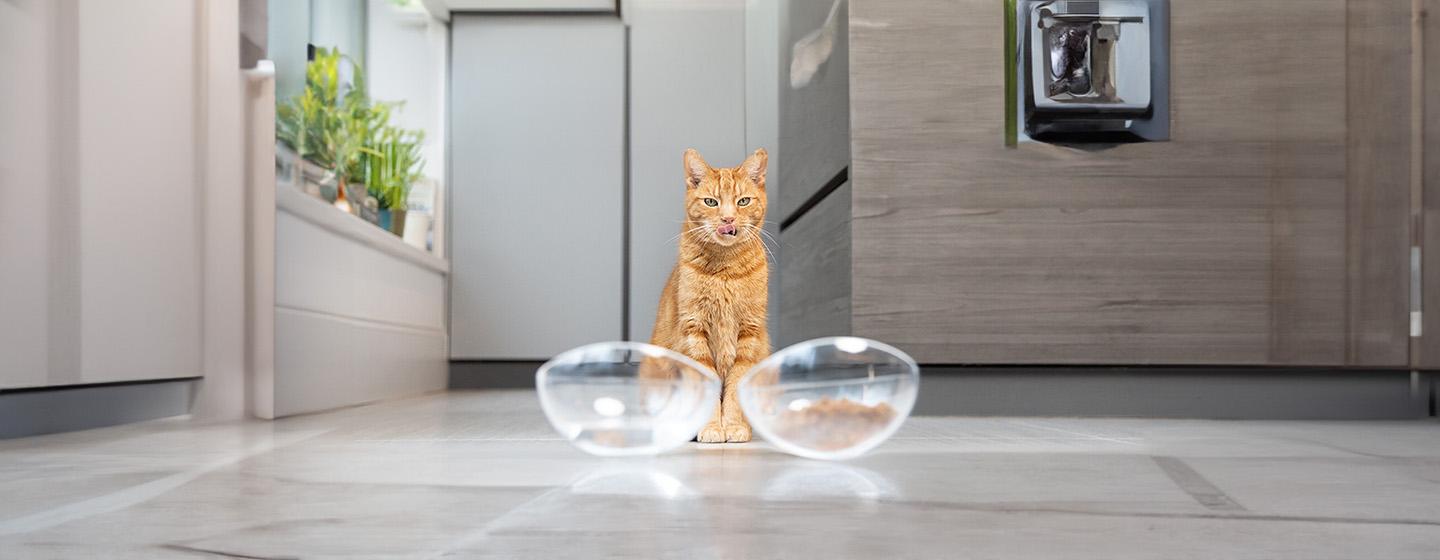
Can Cats Eat Chocolate
Can Cats Eat Chocolate?
4 mins read
While they’re not quite as likely to gate crash the Easter egg stash and gobble the lot like a dog might, cats can sometimes get a taste for chocolate. Most owners know that chocolate is bad for dogs, but do you know if cats can eat chocolate? Can cats eat chocolate? No, cats should not eat chocolate. Even though they’re less likely to try and steal it away from under your nose, chocolate is still bad for cats, just as it is for dogs. While a chocolate bar may not appeal to them, any kind of milk-based chocolate drink can certainly be a risk around any feline! Why is chocolate bad for cats? If you're wondering why cats and chocolate don't mix, it's because chocolate and cocoa contain an ingredient called theobromine, which is naturally metabolised in the human body, but not in cats or dogs. This leads to a toxic build-up of the substance, which can lead to some very serious symptoms, particularly liver failure. Your cat doesn’t have to eat a great deal of chocolate to suffer problems as a result, so try to keep it out of reach, and out of sight, of all your pets. It’s impossible to calculate exactly how much chocolate it takes to make a cat ill, as every animal’s metabolism is different, but there are some factors that you can take into account. This includes your pet’s size and weight, and the kind of chocolate they have eaten. Dark, bitter, chocolate has a far higher theobromine content than milk or white chocolate. Symptoms of chocolate poisoning in cats If you suspect your cat has eaten chocolate, watch out for the any of the following symptoms:
Feeding & Nutrition
Looking After Your Dog's Claws
5 mins read
Whether your dog is an energetic puppy or a fully grown adult they will rarely, if ever, need their nails trimmed. But it’s still a good idea to keep an eye on your dog’s nails – and know how to clip them, just in case! When you go for walks together, hard surfaces such as the pavement will naturally wear your dog’s nails down, which leaves you with very little work to do. However, if your dog’s nails aren’t looking after themselves, their untrimmed nails can break, bleed or even grow into their feet, causing them a lot of discomfort. If your furry friend is a senior, walking on overgrown dog nails can cause pain if they have arthritic feet. But what should you look out for? Hearing a 'click-click-click' noise as they walk on hard floors is the most obvious sign that your dog’s nails need a clip. Dog nail clipping is relatively simple, but you need to know how to correctly clip your dog’s claws to avoid causing damage or pain, which is easily done by accident. To make things easier and less stressful for your dog and you, always consult your vet or veterinary nurse before attempting to clip your dog’s claws at home. How to clip your dog’s nails If your dog hasn’t had their nails clipped before, or if you haven’t clipped dogs’ nails yourself, it can be a strange experience for both of you! However, if you prepare well, keep your dog calm, and follow these simple steps you’ll be done in no time. And of course, if you’re still not sure, your vet will be happy to help. Before you start • If your dog is a bit nervous, stressed or upset about having his nails clipped, or at worst tries to nip you, do not try to clip his nails yourself – it’s fine to ask your vet to do it. • Most veterinary practices have clinics where dog nail clipping can be done easily and cheaply. This takes the stress away, and you’ll know your dog is being looked after by an expert. • This is especially true if his nails are very overgrown, have grown into the pad, or you have no one to help you. Trying to do it alone for the first time can be tricky for anyone! Clipping your dog’s nails • Had a tutorial from your vet/veterinary nurse? You’re ready to go! First of all, ensure you purchase the correct type of dog nail clippers from your veterinary practice or groomer. • Only use nail trimmers that have been specifically designed for pets, and ensure they are sharp and well-maintained to make the job as easy as possible. • Depending on the size of your dog, sit him on your lap, or sit on the floor next to him – he’ll find the closeness reassuring, as well as it being practical. • Ask a friend or family member to help by holding your dog’s head and providing reassurance. Even if he’s not a fan of having his nail clipped, he’ll probably enjoy the fuss! • Hold your dog's paws firmly and push lightly on the pads to make the dog nail stick out. • Starting at the very end of his nail, clip at a 45-degree angle with the cutting end of the nail clipper towards the nail. Dark dog nails If you dog has dark nails trim very thin cuttings off the end, as it’s easy to accidentally damage the ‘quick’ or soft part of the nail. If you see a black dot in the centre of his nail, you have reached the quick and should stop cutting right away. Again, your vet or veterinary nurse can help you work out how much nail to remove. White dog nails On white dog nails, the quick is in the pink section (which you cannot see in black nails) – again, try hard not to nick it! The quick contains nerves and blood vessels that when nicked will bleed easily. How often should you clip your dog’s nails? Dog nail clipping, if necessary at all, should preferably be carried out once a week, but at least twice a month depending on your dog’s needs and how often you walk on roads. It's better to take off small amounts more often than to remove large portions every once in a while. What to do if your dog’s nails bleed • Have silver nitrate sticks, which are available from your vet, and cotton wool balls nearby in case you do accidentally nick the dog nail quick. • If so, and it bleeds, don't panic – it can happen to all of us. Calmly apply the silver nitrate to the end of the claw and press it with a cotton wool ball for a moment. • If the bleeding doesn’t stop, consult your vet immediately for further help with your dog nail clipping technique. • Silver nitrate may sting, so ask your helper to hold your dog if the need arises.
Health
Arthritis in Dogs Symptoms and Treatment
Arthritis in Dogs – Symptoms and Treatment
3 mins read
Arthritis in dogs is the biggest cause of chronic pain, particularly in older pets. With early diagnosis and appropriate management, your pet can continue to lead a happy life. Arthritis in dogs is an extremely common condition and the main cause of chronic pain in dogs. According to Canine Arthritis Management, Osteoarthritis affects an estimated four out of five older dogs, and sadly it’s progressive – meaning that it cannot be cured and gradually worsens. However, there are plenty of management options available to help slow the disease progression and alleviate the symptoms. Many dogs continue to live a happy and otherwise healthy life after diagnosis. If you suspect your senior dog has arthritis, you’ll probably be wondering about the symptoms and the current dog arthritis treatment and management options available. To help, we’ve created this guide to tell you everything you need to know about arthritis in dogs. What is arthritis in dogs? There are different types of arthritis in dogs, but usually we are referring to Osteoarthritis (OA). In a healthy joint, the bone surfaces are covered in a thin layer of smooth cartilage with a small amount of joint fluid to lubricate them – this allows them to glide over each other without friction so your dog can move freely. In a joint affected with OA, there is degeneration of the cartilage and underlying bone, leading to joint instability and pain. The process is a cycle, with these structural changes causing further inflammation and degeneration. This can also cause bone remodelling where there is new bone growth further affecting joint movement as well as weakening of the soft tissue structures around the joint – the muscles, tendons and ligaments.
Health
What to Do If Your Dog Goes Missing
6 mins read
It’s every dog owner’s worst nightmare; one minute your dog’s there, the next they’re not. Of course it’s upsetting and stressful for you when your dog is missing, but there’s also the added worry that your pet may be scared or hurt. The good news is that there are plenty of things you can do to maximise your chance of finding your dog. Home is where the heart is If your dog has disappeared from your home, the chances are that they won’t have gone far. They may have been distracted by a passing cat, or have been tempted to wander off in search of food and simply got disorientated. Alternatively they may have been spooked by a loud noise or a rumble of thunder, and sought safety in the garden or garage of a neighbour.
Separation Anxiety in Dogs Symptoms and Treatment
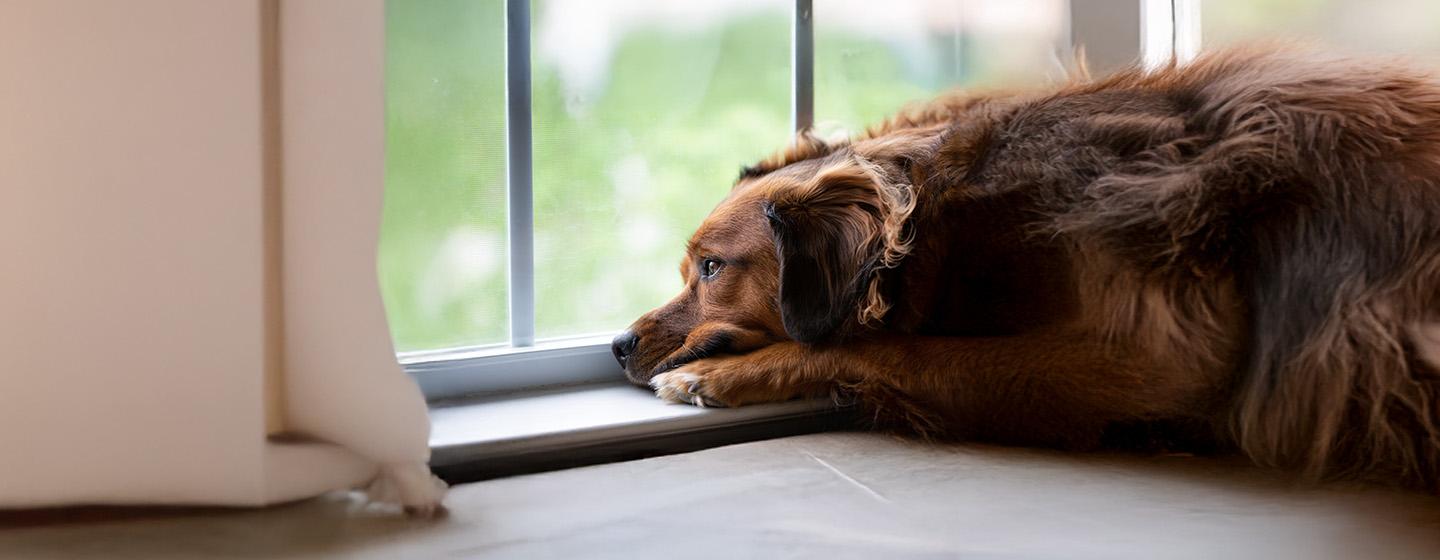
Separation Anxiety in Dogs: Symptoms and Treatment
6 mins read
Get your dog used to spending some alone time without ruining furniture or crying help the minute you leave the house. Try these effective dog separation anxiety solutions. You’re no doubt proud of the unbreakable connection between you and your dog. You’re used to them frantically waggling their tail just because they’re happy to see you. You notice them dutifully following everywhere as if knowing you’re safe is their only life mission. But this close bond needs to be loosened from time to time. You know this. Your dog likely does not. This is why a very mundane night out with friends for you can turn into a dramatic few hours for your dog who doesn’t understand where you’ve gone or whether you will ever come back. Separation anxiety in dogs is a common problem many dog owners have to learn how to solve. Find out what are the symptoms and how you can help your dog keep calm when you’re not there. What is separation anxiety in dogs? Dog separation anxiety is a condition in which dogs show signs of distress when they are left alone. It can affect dogs of all ages and breeds. What are the symptoms of dog separation anxiety? You are likely to find out the hard way that your dog is anxious being left alone - damaged carpets, claw marks on your favourite couch and neighbours telling you about the endless howling sounds your dog subjected them to in your absence. Unfortunately, some owners think these are just signs of a mischievous dog when in reality their pet is in distress, not knowing how to cope with an empty house. These are some common signs of separation anxiety in dogs: • Panting. • Pacing. • Attempts to escape the house. • Damaged furniture. • Relieving themselves inside the house. • Barking or howling. • Extreme excitement when the owners are back. Why do some dogs experience separation anxiety? Before we get to the solutions, it’s useful to look at the causes for this distress. These can vary, from early abandonment to genetics.
Behaviour & Training
What Types of Dog Growl Mean
6 mins read
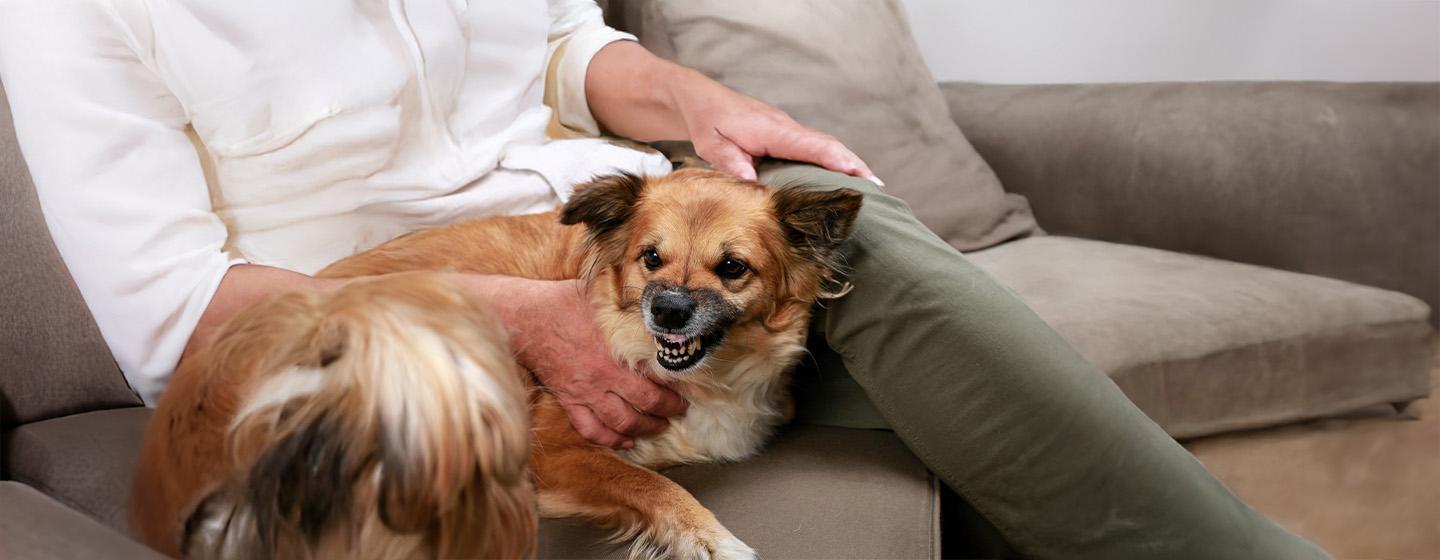
Many people believe that dogs growl due to aggression, however there's so many different reasons why your dog may be growling. Read our guide to find out the different types and what they mean. Dogs try to communicate with people in different ways, one of which is growling. As pet owners, we often assume that dog growling is a signal of displeasure or aggression, but it isn’t always that simple. There are a range of things that your dog may be trying to convey when they make these growling noises, and if you listen closely, they may not all sound exactly the same. Read on for more information on the different types of dog growl and what they may be trying to tell you when they do so. Why do dogs growl? Dog growling is simply a method of communication – it’s your dog trying to tell you something. Dogs growl to communicate lots of different things, from fear and aggression to encouraging play. That’s why you need to understand the types of dog growl to interpret what the sound means. Always pay attention to the situation that your dog is in when they growl. You may find that your dog makes different types of growling sounds in different situations, and learning to recognise the circumstance of each dog growl will help you to identify what it is your dog is trying to say. Those sounds may seem similar to us, but it’s all about context! Where one growl may be saying: ‘I feel threatened’, another could be saying: ‘I’m having fun!’ Dog growling when playing You may have noticed your dog growling during play. It can seem strange when dogs do this – why would they suddenly make a sound of aggression when you’re having fun together? The simple answer is: they aren’t! This type of dog growling indicates that your pet is having fun; your dog might even be trying to tell you that they want to keep on playing! Although it’s hard for the human ear to pick up on subtle differences in dog growling, play growls can be distinguished from other more aggressive types of growl. Although every dog is different and has their own vocal range and individual ‘voice’, in general dog play growls will sound higher pitched than other kinds of growling. They will also often be shorter, and may be accompanied by body language like bounding motions, or your dog bending down onto their front legs, raising their rear-end in the air. Don’t be intimidated if a dog growls during play, with either a person or with another dog. Do keep an eye on the situation in case it escalates, but usually growling during play indicates that a dog is just having fun. Aggressive dog growling Aggressive dog growling is all about an expression of power. A dog might be trying to establish their position as the ‘alpha’ over another animal, or they may have spotted something that has triggered their natural hunting instinct. It’s important to not encourage this kind of dog growling, and to try to separate your pet from what is triggering their aggression. Always be cautious and take into account the situation your pet is in when dealing with aggressive dog growling.
Behaviour & Training

Pagination

  • First page
  • Previous page
  • …
  • Page 23
  • Page 24
  • Page 25
  • Page 26
  • Page 27
  • Page 28
  • Page 29
  • Page 30
  • Page 31
  • …
  • Next page
  • Last page
Purina Pet Club logo

Join Purina Pet Club for expert tips, helpful advice, exclusive offers and rewards.

Join The Club
Nourishing pets Purina pets grid card
Purina Pet Club logo

Join Purina Pet Club for expert tips, helpful advice, exclusive offers and rewards.

Join The Club
Nourishing pets Purina pets grid card
  • Cat
    • Care & Advice
    • Find a Pet
    • Food
    • Our Brands
  • Dog
    • Care & Advice
    • Find a Pet
    • Food
    • Our Brands
  • About Us
    • Our Mission
    • Our History
    • Our Purina Promise
    • Purina In The Community
  • Other
    • Join Purina Pet Club
    • Breed Selector
    • Contact Us

©Reg. Trademark of Nestlé S.A.

Terms & Conditions
Privacy Policy
© 2026 Purina. All Rights Reserved.

©Reg. Trademark of Nestlé S.A.

Terms & Conditions
Privacy Policy
© 2026 Purina. All Rights Reserved.