Sorry, you need to enable JavaScript to visit this website.
Skip to main content
Wet or Dry cat food?
4 mins read
When it comes to choosing wet or dry cat food, the information can be overwhelming. Conflicting information and the sheer amount of choice on offer can all make choosing your cat’s diet seem difficult. Go back to the basics with your cat’s diet in this article to learn all about the benefits and drawbacks of both wet or dry cat food, so you can make the right choice for your pet. What do cats need in their diet? Every cat requires a total of 41 essential micronutrients from their food each day – whether it be from wet or dry cat food. These micronutrients are ‘essential’ because they cannot be manufactured in the body, and they are necessary for normal, healthy function. Cats are obligate carnivores who need to eat meat, and as such they can’t be fed a vegetarian diet without developing malnutrition problems. A proportion of their daily nutrients must come from animal sources, specifically the amino acids taurine and arginine, the fatty acid arachidonic acid, and pre-formed vitamin A. What do cats like in their food? Just like humans, when it comes to food, cats enjoy something tasty! Although they have far fewer taste buds than other animals—a mere 475 to dogs’ 1,700—they do have some interesting appetite quirks. A cat’s sensitivity to bitter tastes is 400 times greater than that of a dog’s, but they lack the taste buds to be able to enjoy sweet flavours. Texture and the shape are also important factors for cats when it comes to their kibble. Cats’ sense of smell is superb, and is an essential part of appealing to their appetite. Food odours give pleasure, enhance enjoyment of food, and provide your cat with their own sense of nutritional information.
Feeding & Nutrition
Videos for Cats to Watch
5 mins read
Bring some excitement into your pet’s life with these videos for cats including the all-time favourite mice, birds and squirrels. Don’t be surprised if your cat can’t help but press the subscribe button. No doubt your kitty is delighted to have found a safe and comfortable haven in your home. There is plenty of food, warmth and, fortunately, not a lot of danger lurking around the corner of the living room. But the bliss of a sheltered lifestyle has a downside for your cat – there is just not as much exciting stuff to meow about. Luckily you can recreate the thrill of the outdoors without leaving the couch with a few well-picked videos for cats. All you need is a device connected to the internet and a screen protector to keep it scratch-free in case your cat gets too excited. From mice, squirrels and birds just minding their business in the big outdoors to silly interactive games, we’ve put together a cat filmography that will keep whiskers glued to the screen for hours.
Behaviour & Training
Understanding Your Cat's Body Language
9 mins read
Whether you’re a first time cat owner or have a long term feline friend, there will be times where you wish you could know what your cat is thinking. Understanding Cats’ Body Language Sometimes you might wonder about a change in your cat’s behaviour and what that could mean, or would like to know how you can tell if your cat is happy. Although cats might seem hard to read, there are lots of tell-tale signs that will give you an insight into what your companion is thinking, and what kind of mood they’re in! You’ll probably be able to tell some of your cat’s more obvious moods already from their body language, facial expressions, vocalisations and tail movements. But looking out for some other signals, such as the following cat tail signs and body postures, can tell you even more. Cats have a wide range of basic emotions – they feel happy, sad, afraid, relieved and even frustrated, just like us humans! The key to a good relationship with your cat is learning how to recognise these emotions, and respond where needed. Watch this great video guide on cat body language from our friends at Cats Protection, presented by their Cats Behaviour Manager Nicky Trevorrow.
Behaviour & Training
Understanding Dog Body Language
7 mins read
Anyone who’s ever spent time in the company of a dog knows that, just like people, dogs have personalities that are unique to them, and they experience many feelings in exactly the same way as humans and all other mammals. While they don’t experience higher emotions such as shame, spite or contempt, they have the same range of basic emotions as us, such as happiness, sadness, relief, frustration and fear. These feelings are essential in helping dogs learn about the world, and encourage them to behave in certain ways to protect or help them. If a dog feels fear, for example, they’re likely to seek out safety from the threat and gain a sense of relief, while the positive feelings they get from cuddles and grooming encourages good relationships with those around them. Watch our experts decode their expressions, signals, and behaviours.
Behaviour & Training
Travelling with Your Cat by Car or Plane
8 mins read
Most cats are home lovers, so travelling anywhere else with them can make them stressed. Some journeys are unavoidable, so when travelling with cats it’s important to know how you can make your feline friend feel comfortable. Most cats are home lovers, so travelling anywhere else with them can make them stressed. When travelling with cats it’s important to know how you can make your feline friend feel comfortable. We’ve put together some cat travel tips to help everything run smoothly. Cat car travel Knowing how to travel with cats in the car is the most useful place to start. If you’re confident and in control, and you understand how to keep your cat calm, the journey can be relatively stress-free for both of you.
Behaviour & Training
Training Your Kitten or Cat
8 mins read
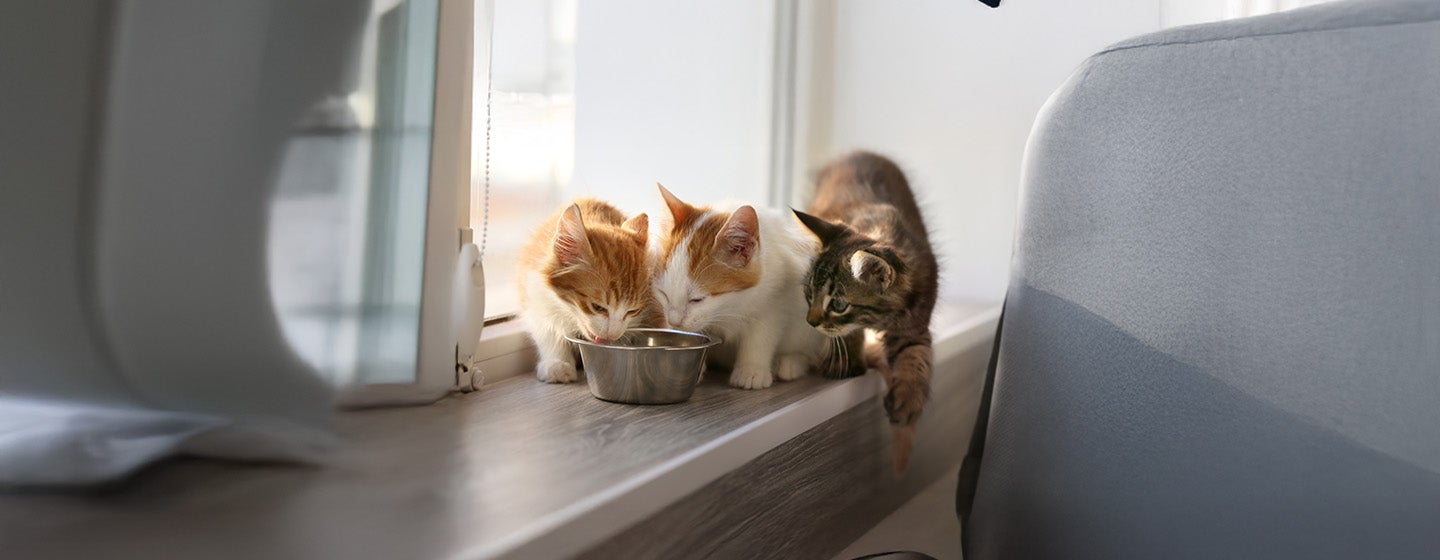
Although training is more traditionally associated with dogs, you can also teach your cat a few tricks, too! Your moggy can learn to recognise their name and come to you when you call them. To help your pet pick up these skills, it’s important to train your kitten from an early age and as soon as possible. Teaching your kitten social skills Training kittens starts with their social skills – the more they are exposed to at a young age, the less will shock or surprise them as they get older. From almost as soon as they can walk around without mum’s help, kittens will approach new situations with the confidence and curiosity that cats are so famous for! Kittens will be at their least fearful between the ages of 3-7 weeks, so will be more open to and accepting of new experiences and changes in their environment. After this age kittens will become more cautious, so it’s important that your breeder or rescue shelter introduces your pet to as much as possible before you collect them, ideally between 8-13 weeks old (depending on their breed and breeder). Of course, your kitten's emotional development doesn't just stop at 12 weeks old, so you can continue to train your kitten once you’ve got them at home. Try some of these tips to help your kitten develop even further: • Invite a variety of friends to your home to help your kitten get used to all sorts of different people – different ages, genders, heights, hair colour and more! • If you don't have children, invite some along, making sure you let them know to take care around the kitten, especially when they meet them for the first time. • You may know someone with a cat-friendly dog. If so, ask them to bring their pet to meet your kitten. The dogs must be well trained and able to “stay” – even in the excitement of meeting a new friend!
Behaviour & Training
Top Tips for a Healthy Dog Pregnancy
3 mins read
When your dog is happy, you’re happy – and when your pet is pregnant, making sure they'reas healthy and comfortable as possible is even more important, both for the mum-to-beand for the new arrivals! There are several things that you can do to ease the strain of having little bundles of joy, and ensure that everything goes smoothly. It’s an exciting time! During pregnancy, your dog will need your love and attention more than ever. Remember, as theirbody change, you will have to change the way you care for your dogin a few simple ways to make sure that they have everything theyneeds. Feeding and nutrition during your dog's pregnancy If you’re wondering what to feed a pregnant dog, you’re not alone – most dog owners ask this question! It’s important to know that basic adult-formula dog food won't provide the extra nutrients they need duringpregnancy, so you’ll need to make some diet changes to help your petget what theyneeds from theirfood. Slowly switch your dog back to a high-quality puppy formula just before mating, introducing her slowly over a period of 7-10 days to avoid upsetting their stomach. Your dogshould stay on this new formula until after they have givengiven birth, and thepuppies have been weaned. What you should feed your dog will also depend on thebody condition and any medical problems that theymay currently have or has had in the past, so make sure you check with your vet before changing thefood. For more details on what to feed a pregnant dog, visit feeding during pregnancy.
Health
Top Things to Look Out For During Cat Pregnancy & Labour
3 mins read
Complications are rare in cat pregnancies, but can occasionally happen. To help your cat bring bundles of fur into the world with ease, the Purina Pet Care team share their advice on how to spot warning signs early on. It’s so exciting when your cat is expecting, and as a loving pet owner we understand that you might worry and want to give extra tender loving care to your pet at this time. Luckily as cats are usually more than capable of looking after themselves, you shouldn’t have anything to be concerned about. Several symptoms could signal a problem with your cat’s pregnancy. If you notice any of these, contact your vet immediately:She loses interest in her food. A drop in appetite can occur just prior to delivery, but she should be bright and well in every other way throughout her term. She is visibly distressed, agitated, crying more than usual, or is noticeably licking her vulval area without producing any kittens. You see any abnormal, bad-smelling vaginal discharge or bleeding at any point in her pregnancy or labour. She goes to the toilet more often, passes blood or squats without producing pee. These could signal a uterine infection, which could potentially affect her kittens if left untreated.
Health
Tips For a Healthy Cat Pregnancy
7 mins read
Your cat is having kittens – what wonderful news! Amongst all of the excitement, remember that your cat may need extra care, comfort and affection when pregnant. The Purina Pet Care team have given some of their tops tips on caring for a pregnant cat, to make sure both mum and her litter are as happy and healthy as possible.
Health
Things to Look Out for During Dog Labour
3 mins read
Your bitch is about to become a proud mum, and soon she’ll have some adorable new pups to care for – how exciting! The great news is that most canine pregnancies are problem-free and dogs generally make excellent mothers. Even though dog birthing problems are very rare, there are a few things to keep an eye on before, during and after labour. If you’re at all worried at any stage your vet will be more than happy to give you advice. Things to look out for during dog pregnancy Although dogs usually enjoy hassle-free pregnancies, there are a few signs that could suggest complications. Contact your vet if:
Health

Pagination

  • First page
  • Previous page
  • …
  • Page 2
  • Page 3
  • Page 4
  • Page 5
  • Page 6
  • Page 7
  • Page 8
  • Page 9
  • Page 10
  • …
  • Next page
  • Last page
Purina Pet Club logo

Join Purina Pet Club for expert tips, helpful advice, exclusive offers and rewards.

Join The Club
Nourishing pets Purina pets grid card
Purina Pet Club logo

Join Purina Pet Club for expert tips, helpful advice, exclusive offers and rewards.

Join The Club
Nourishing pets Purina pets grid card
  • Cat
    • Care & Advice
    • Find a Pet
    • Food
    • Our Brands
  • Dog
    • Care & Advice
    • Find a Pet
    • Food
    • Our Brands
  • About Us
    • Our Mission
    • Our History
    • Our Purina Promise
    • Purina In The Community
  • Other
    • Join Purina Pet Club
    • Breed Selector
    • Contact Us

©Reg. Trademark of Nestlé S.A.

Terms & Conditions
Privacy Policy
© 2026 Purina. All Rights Reserved.

©Reg. Trademark of Nestlé S.A.

Terms & Conditions
Privacy Policy
© 2026 Purina. All Rights Reserved.