Machine Name
dog

Briard

For centuries, the brave, loyal Briard guarded and herded sheep in rural France. This large, muscular breed has a strong protective instinct and an excellent memory. Briards can be willful but also are trainable and eager to please. The breed has a distinctive appearance with his bushy eyebrows, shaggy beard and luxurious wavy coat. The Briard needs extensive grooming, including daily brushing, to prevent matting.

DID YOU KNOW? Some credit Marquis de Lafayette with introducing the Briard to America, but Thomas Jefferson also imported the breed. During World War I, the Briard was the official French army dog, helping carry supplies and find wounded soldiers on the battlefield.

ALSO KNOWN AS: Berger de Brie, Berger Briard


The need-to-know


  • Dog suitable for experienced owners
  • Extra training required
  • Enjoys vigorous walks
  • Enjoys walking more than two hours a day
  • Large dog
  • Some drool
  • Requires grooming daily
  • Non hypoallergenic breed
  • Chatty and vocal dog
  • Guard dog. Barks, alerts and it's physically protective
  • May require training to live with other pets
  • May require training to live with kids
Living Considerations
Good with children when properly trained, not hypoallergenic, suitable for apartment living if sufficiently exercised
Size
Large
Height
Males – 39 to 46 centimetres at the withers, Females – 35.5 to 42 centimetres at the withers
Weight
11 to 16 kilograms
Coat
Long
Energy
 Medium
Colour
Black, gray and tawny
Activities
Herding, Police and Military Work, Search and Rescue, Conformation
Indoor/Outdoor
Both
Personality

Protective and alert, the Briard will be true to their herding, guarding ancestry, and this can be a problem if not socialised and trained early on. Happiest as part of a family home and involved in family activities, they are a lively and energetic dog who will enjoy games and play. Clever and quick to learn with the right motivation, the Briard doesn’t mind what job they are taught to do, as long as they get to do it with you!


History and Origins

Country of Origin:  France


The exact origin of the Briard is unclear, it is thought they arrived in France in the Middle Ages as the sheep herding dogs that accompanied nomadic peoples and their animals from the East. These were then crossed with local guarding and herding breeds along the way, and eventually became established in France as the ‘Chien Berger de Brie’ or ‘Sheepdog of Brie’, an ancient region near Paris.


Nutrition and Feeding

Large breeds like the Briard dog, as well as having large appetites, benefit from a different balance of nutrients including minerals and vitamins compared to smaller-breed dogs. Briards are prone to bloating and stomach problems; smaller, more frequent meals can help minimise this risk.

Exercise

A minimum of two hours physical exercise including free running, training - and possibly even swimming - is imperative to keep the Briard happy and pleasant to live with. You should also add some time for mental exercise in the form of enrichment, problem solving and games.

Other Information

Health and common issues


In general, Briard dogs are a healthy breed. However as with many breeds, they can suffer from various hereditary eye disorders, and hip dysplasia (a condition that can lead to mobility problems). Eye testing and hip scoring of dogs prior to breeding is therefore important. The breed club monitor the health of the breed carefully and should be contacted for the most up-to-date information and details of any DNA or additional testing they recommend. Breed Clubs can be found on the Kennel Club website.


Space requirements


This is a large dog with a long coat, as such you’ll need space to groom and space to offer a wet dog room to dry off without covering the rest of the house in water and mud! A large secure garden is a must as is access to a wide variety of interesting walks with secure areas to let them run off lead. This is a dog better suited to the rural suburbs or a countryside home due to both their size and guarding instincts.


Training briards


With the right motivation and an understanding of the activities a Briard enjoys, this is not a difficult breed to train. Remember they are an independent thinker used to making decisions for themselves, so you need to work hard to get them to listen to you and follow your guidance. Positive reinforcement via the use of food, toys and the opportunity to perform inherently reinforcing behaviours such as herding or moving objects will work wonders. Pay particular attention to early socialisation with people outside the family, as well as other animals and livestock. As this breed has a long coat, you should get them used to grooming early as well.


Best family dog breeds


The Briard is often described as a ‘heart wrapped in fur’ in reference to how loving they are to their family. However as young dogs they are large and exuberant which may make them unsuitable for homes with young children or frail/unsteady people. Ideally suited to active families who enjoy long walks and dog training as a hobby in its own right. Older children and teenagers may enjoy training or working a Briard in a variety of competitions and sports. Their exercise and grooming requirements will take up multiple hours per day so keep this in mind. While many dogs are traditionally thought of as being good with children, all dogs and children need to be taught to get on with and respect each other, and be safe together. Even so, dogs and young children should never be left alone together and adults should supervise all interactions between them.


Did you know?


  • Briards have featured in a number of films, TV series and cartoons, notably, Get Smart, Married…With Children, Dharma &; Greg, Addams Family, Dennis the Menace (1993 live action film), Looney Tunes and quite a few more.
  • Traditionally the Briards ears were cropped and made to stand upright giving the dog a very different appearance, however this practice is thankfully now illegal in most of Europe including Britain and France, and hopefully the practice will die out worldwide as it is inhumane, wholly unnecessary and extremely painful for the dog.
  • Owners of the breed often report on how affectionate they are. Many even say that they ‘grieve’ when separated from their humans!
  • The Briard is a breed of many talents and have been used as service dogs and therapy dogs.
  • They have double dew claws which helps them balance, even on the most uneven of terrains!


Bracco Italiano

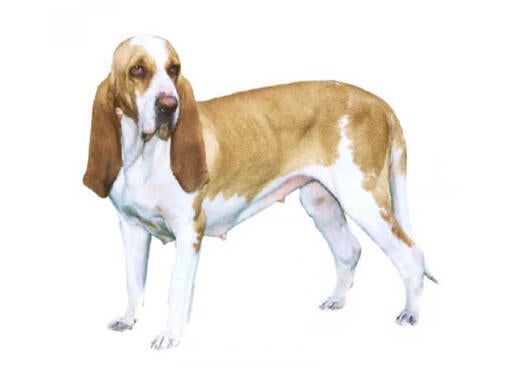
The Bracco Italiano is a large-sized, strong, muscular, active dog with a fine, short coat. They have a distinctively shaped head, long ears and well-developed jowls. They can be orange and white, orange roan, chestnut and white or chestnut roan in colour. Adult males are 58-67cm and females should ideally measure 55-62cm. Weight ranges between 25-40kg, in proportion to the height of the dog.


The need-to-know


  • Dog suitable for owners with some experience
  • Some training required
  • Enjoys vigorous walks
  • Enjoys walking more than two hours a day
  • Large dog
  • Minimum drool
  • Requires grooming once a week
  • Non hypoallergenic breed
  • Quiet dog
  • Guard dog. Barks and alerts
  • May require training to live with other pets
  • Great family dog
Personality

They are intelligent, faithful and loving dogs, which are able to get on well with both children and other dogs. They are ideally suited to an active country-dwelling lifestyle and will happily be both family and working dogs in one. Though they are eager to learn and to please, it should be remembered that this dog is sensitive and training should be carried out in a gentle manner. They are not the best breed for a novice/first time dog owner.


History and Origins

This dog is an ancient breed, and has been noted in paintings and writings from the 4th and 5th centuries BC. It is thought to have come about from crossing a mastiff-type dog with an Egyptian coursing hound. In the 1700s Italian hunters developed the Bracco Italiano dog breed for hunting, tracking and pointing game. Before guns were used for hunting, these dogs were used to drive game into the hunters' nets. The first of these dogs arrived in the UK in the late 1980s and today they are still few in number.

Nutrition and Feeding

Large breed dogs, as well as having large appetites, benefit from a different balance of nutrients including minerals and vitamins compared to smaller-breed dogs. The Bracco is prone to bloating and stomach problems; smaller, more frequent meals can help minimise this risk.

Exercise

The Bracco Italiano is a country dog at heart, enjoying long walks and runs in the countryside. They love to swim and retrieve and if they are not given enough exercise they can be boisterous! Two-plus hours of exercise is advised daily for adults.

Other Information

Health and common issues


As with many breeds, the Bracco Italiano can suffer from various hereditary eye disorders, and hip and elbow dysplasia (joint conditions that can be painful and lead to mobility problems). Eye testing and hip scoring of dogs prior to breeding is therefore important


Best family dog breeds


While many dogs are traditionally thought of as being good with children , all dogs and children need to be taught to get on with and respect each other, and be safe together. Even so, dogs and young children should never be left alone together and adults should supervise all interactions between them.


Boxer

Developed in Germany in the 19th century, the Boxer was bred for dog fighting and hunting large game. The Boxer thrives on human company and affection. Patient, spirited and protective of children, he makes an excellent family dog. He will exhibit wariness and curiosity with strangers and fearless courage if threatened. The Boxer needs little grooming but does best with daily exercise.

DID YOU KNOW? The Boxer was one of the first breeds trained for police work in Germany.

ALSO KNOWN AS: German Boxer, Deutscher Boxer


The need-to-know


  • Dog suitable for owners with some experience
  • Some training required
  • Enjoys active walks
  • Enjoys walking one to two hours a day
  • Large dog
  • Minimum drool
  • Requires grooming once a week
  • Non hypoallergenic breed
  • Chatty and vocal dog
  • Guard dog. Barks, alerts and it's physically protective
  • May require training to live with other pets
  • May require training to live with kids
Living Considerations
Good with children, not hypoallergenic, suitable for apartment living
Size
Medium/Large
Height
Males - 58.5 to 61 centimetres at the withers,&; Females - 54.5 to 57 centimetres at the withers
Weight
Males - 27 to 31.5 kilograms, Females - 25 to 29.5 kilograms
Coat
Short
Energy
High
Colour
Fawn or brindle
Activities
Agility, Obedience
Indoor/Outdoor
Both
Personality

Boxer dogs remain puppy-like throughout their lives, making them quite a handful! Lively, strong and loyal, they make great pets for all the family, adults and children alike, but can be boisterous so may not be suitable in a home with very young children - or where owners don't have time to give them the attention and exercise they need as they can get bored easily!


Fearless and very self-assured, they are not quick to pick a fight, but more than able to defend themselves if they have to. They do not like being left home alone and can become distressed and destructive.


History and Origins

Country of Origin: Germany


The ancestors of this now well-known breed were the German Bullenbeisser and the English Bulldog - and for a while the breed was known as the German Bulldog. The Bullenbeisser was a formidable hunting dog who originally was able to tackle deer, boar and even bears, holding them by the nose until hunters arrived. By the late 19th century however, faster, lighter dogs became more useful than strong ones and so the breed became smaller before being crossed with the English Bulldog to create the Boxer breed.


Nutrition and Feeding

Large breed dogs, as well as having large appetites, benefit from a different balance of nutrients including minerals and vitamins compared to smaller-breed dogs. Boxers are prone to bloating and stomach problems; smaller, more frequent meals can help minimise this risk.

Exercise

The Boxer is a high-energy breed that does require plenty of exercise and a lot of training and enrichment as they are always on the go. Two hours plus walking a day is recommended along with regular training and games.

Other Information

Health and common issues


Boxer dogs are predisposed to a variety of potentially serious diseases, in particular heart problems and cancers. Checking that dogs have been bred from lines that are free of these specific health problems will help reduce the likelihood of these disorders. With their flattened noses, many are affected by the health problems that can plague brachycephalic dogs including breathing problems and skin problems.


Space requirements


The Boxer really is a country dog as they need plenty of free-running exercise and their sheer exuberance and love of life needs lots of space both indoors and out!


Training boxers


With their high-energy and juvenile behaviour, the Boxer needs on-going training from a very early age in order to be controllable and well-behaved. Thankfully this is a joy as they are clever and enjoy working with their owner so can easily be the stars of their training class. You do need to have a sense of humour though as the Boxer can get bored easily and will then have much more fun playing the clown instead!


Best family dog breeds


Boxers make fabulous family dogs as they are devoted to all and are excellent with children. They can be overly-boisterous for smaller children however and so are better suited to older families. While many dogs are traditionally thought of as being good with children, all dogs and children need to be taught to get on with and respect each other, and be safe together. Even so, dogs and young children should never be left alone together and adults should supervise all interactions between them.


Did you know?


  • Many famous people have owned and loved Boxers - including Humphrey Bogart and Lauren Bacall. They got their first Boxer as a wedding present - then followed that up by getting two more.
  • Their name comes from their tendency to stand up on their hind legs when playing and ‘box’ like a human does!
  • The Guinness World Record for ‘Longest Tongue on a Dog’ belonged to a Boxer named Brandy, their tongue was a huge 17 inches long.
  • Boxer’s are very excitable and always glad to see their favourite human, so much so that they’re known to do the ‘kidney bean dance’ which is where they’ll twist their bodies in a semicircle and start turning!
  • As they have short muzzles, they’re known to snore quite a lot!


Bouvier des Flandres

The sturdy, rugged Bouvier des Flandres originally was bred to herd cattle near the Belgian town of Flanders. His name means “cowherd from Flanders,” but along with herding, the breed performed farm jobs such as drafting and guarding. With his calm, gentle temperament, this breed is a loving family companion. The Bouvier needs frequent grooming to strip his rough, shaggy coat and plenty of exercise.

DID YOU KNOW? The slow-maturing Bouvier des Flandres reaches adulthood at 2 to 3 years of age. During World War I, the Bouvier served as message carriers and cart dogs carrying wounded soldiers.

ALSO KNOWN AS: Flanders Cattle Dog, Vlaamse Koehond


The need-to-know


  • Dog suitable for experienced owners
  • Extra training required
  • Enjoys vigorous walks
  • Enjoys walking more than two hours a day
  • Large dog
  • Some drool
  • Requires grooming every other day
  • Non hypoallergenic breed
  • Quiet dog
  • Guard dog. Barks, alerts and it's physically protective
  • May require training to live with other pets
  • May require training to live with kids
Living Considerations
Good with children, not hypoallergenic, suitable for apartment living if sufficiently exercised
Size
Large
Height
Males – 62.5 to 70 centimetres at the withers, Females – 59.5 to 67.5 centimetres at the withers
Weight
Males – 36 to 45 kilograms, Females – 29 to 38.5 kilograms
Coat
Medium
Energy
High
Colour
Fawn to black, salt and pepper, grey, brindle
Activities
Tracking, Herding, Police and Military Work, Search and Rescue, Carting, Agility, Obedience, Schutzhund, Conformation
Indoor/Outdoor
Both
Personality

The Bouvier can appear forbidding, serious and unamused, but to their friends and family they have an unflappable, amiable nature, and are affectionate and loving. With strangers they are inclined to be reserved and suspicious but should never be aggressive. Calm and sensible as adults, the Bouvier has the temperament and trainability to perform a variety of tasks and they have been used as police dogs and guide dogs as well as their original farm dog duties.


History and Origins

Country of Origin: Belgium


The Bouvier des Flandres has a rather uncertain history, as many working types do, being selected and bred for working ability rather than appearance. Belgium and France had a number of similar working breeds including the Bouvier des Ardennes, the Bouvier de Roulers and the Bouvier des Flandres, however these were very much types rather than recognisable breeds with any kind of written breed standard. It is thought that the Bouvier de Flandres was developed from Barbets, Brabanters, Schnauzers, Griffons and Beaucerons, although it is likely other breeds were involved too.


Nutrition and Feeding

Large breed dogs, as well as having large appetites, benefit from a different balance of nutrients including minerals and vitamins compared to smaller-breed dogs. The Bouvier is prone to bloating and stomach problems; smaller, more frequent meals can help minimise this risk.

Exercise

As puppies, exercise should be carefully controlled, as this is going to be a relatively heavy adult. Once fully grown the Bouvier will require two hours minimum of daily walking and running exercise, with training, puzzle solving and games on top. Used to working all day, the Bouvier who does not get sufficient mental and physical exercise will be unhappy, and certainly won’t be a joy to live with either!

Other Information

Health and common issues


Bouvier des Flandres are relatively hardy dogs, but as with many breeds, they can suffer from various hereditary eye disorders, and hip dysplasia (a condition that can lead to mobility problems). Eye testing and hip scoring of dogs prior to breeding is therefore important. The breed is particularly predisposed to laryngeal paralysis, which can result in noisy breathing and difficulty breathing. The breed club monitor the health of the breed carefully and should be contacted for the most up-to-date information and details of any DNA or additional testing they recommend. Breed Clubs can be found on the Kennel Club website.


Space requirements


As a big dog with a protective nature, this is a breed better suited to a larger home and rural or suburban location as they are likely to find busy, urban environments over stimulating and stressful. Whilst the Bouvier does not shed, they need frequent grooming to prevent matting and this will take time and space. A secure garden is vital, as is access to a variety of safe walking routes and secure spaces for off lead fun.


Training bouvier des flandres


The Bouvier des Flandres is a very trainable dog, as long as you take the time to build a bond with them and be kind, fair and consistent. They have worked as cattle and sheep herders, pulled carts, guided the blind and assisted police, so its fair to say they are a versatile and intelligent breed. This is a dog who will enjoy some form of training most days, as an activity in its own right rather than just a means to an end, and they won’t appreciate being left alone or separated from their family for long. Easily capable of a variety of dog sports though possibly a little large and heavy to really excel in some, the Bouvier could be a fun companion for someone who wants to have a go at a selection of canine activities. Work hard on early socialisation to other animals and children, and install a solid recall as the Bouvier may take some persuasion to return and stop herding up stray people!


Best family dog breeds


For the family with time and space, the Bouvier can make an excellent companion, however keep in mind the grooming requirements are high and a full brush through can take an hour every other day. Like many herding/droving breeds, the Bouvier can be distressed by members of their social group splitting up. With smaller children the temptation to round them up and keep them together may be too strong to resist. Small children generally don’t enjoy being rounded up so this may be a dog for the family with older children or teenagers. While many dogs are traditionally thought of as being good with children, all dogs and children need to be taught to get on with and respect each other, and be safe together. Even so, dogs and young children should never be left alone together and adults should supervise all interactions between them.


Did you know?


Boston Terrier

The well-mannered demeanor of the Boston Terrier has earned him the nickname “The American Gentleman.” An affectionate companion, this terrier enjoys being close to his family. The breed was developed in Boston by crossing English Bulldogs, French Bulldogs and some terrier breeds. The Boston Terrier is easy to train and requires moderate exercise and minimal grooming.

DID YOU KNOW? The Boston Terrier was originally called the American Bull Terrier. Following the Civil War, this breed was developed in the stables of Boston as a fighting dog.

ALSO KNOWN AS: American Bull Terrier, Boston Bull, Boston Bull Terrier, Boxwood, American Gentlemen


The need-to-know


  • Dog suitable for non-experienced owners
  • Basic training required
  • Enjoys gentle walks
  • Enjoys walking an hour a day
  • Small dog
  • Minimum drool
  • Requires grooming once a week
  • Non hypoallergenic breed
  • Chatty and vocal dog
  • Guard dog. Barks and alerts
  • May require training to live with other pets
  • May require training to live with kids
Living Considerations
Good with children, not hypoallergenic, suitable for apartment living
Size
Small
Height
38 to 43 centimetres
Weight
6.5 to 11.5 kilograms
Coat
Short
Energy
Medium
Colour
Dark blue, mottled body with black spots and may have tan markings over the eyes, on the cheeks and chest and below the tail, or red ticking on feet and lower legs
Activities
Obedience, Conformation, Agility, Therapy
Indoor/Outdoor
Both
Personality

The Boston Terrier is a lively, happy dog that can be quite determined and strong willed. They are usually good with children and love to play, but they can be boisterous and care must be taken that games are not too rough, as they can be prone to injury, especially their eyes. They love human company and make affectionate pets and are outgoing and social to all. While they are called a ‘terrier’ they are not in the terrier group and neither do they behave like one, being far happier at home with their owner than getting into the usual mischief!


The Boston Terrier would suit an owner who enjoys their unconventional appearance and who wants a fun, affectionate companion that doesn’t need much exercise but does want to join in with everything that is going on.


Nutrition and Feeding

Small dogs have a fast metabolism, meaning they burn energy at a high rate, although their small stomachs mean that they must eat little and often. Small-breed foods are specifically designed with appropriate levels of key nutrients and smaller kibble sizes to suit smaller mouths. This also encourages chewing and improves digestion.

Exercise

The exercise requirements of this dog are quite undemanding; about an hour's daily exercise will be needed. They do not yearn for long walks, but they do like to go everywhere with their owners.

Other Information

History and origins


In the 1800s, the Boston Terrier dog breed was originally a cross between an English Bulldog and an English White Terrier. Then around 1893, more crossbreeding was carried out, seeing the breed crossed with the English Bull Terrier, Boxer and the Pit Bull Terrier, along with other terriers. Originally the Boston Terrier weighed over 20kg, but was bred smaller and smaller until they became the size we know them as today.


Health and common issues


The flat face of the Boston Terrier, if extreme, can result in obstruction of their airways and a difficulty in breathing. Like many other breeds, there are a variety of hereditary eye problems that can occur and they can suffer from kneecaps that may temporarily slip out of place, this condition is known as patella luxation.


Space requirements


The Boston Terrier makes a great urban companion and can live in a small space as long as they have access to the outdoors for exercise and toileting.


Training boston terriers


The Boston Terrier will enjoy basic training and should be taught to walk on a harness and lead and also to come back when called.


Best family dog breeds


Boston Terriers make good family dogs as they will join in with family games and are friendly and social. They do better with sensible, older children though as they can be prone to eye injuries. While many dogs are traditionally thought of as being good with children, all dogs and children need to be taught to get on with and respect each other, and be safe together. Even so, dogs and young children should never be left alone together and adults should supervise all interactions between them.


Did you know?


  • The Boston Terrier is also known by the nickname ‘the American Gentleman’ due to their tuxedo like markings.
  • The most successful and unexplained dog clairvoyant was a Boston Terrier called Missie from Denver in the United States. Missie stunned her owner and experts alike by predicting the results of sports events, the next US president, the sex and weight of babies, and even the date and time of her own death. She could also tell people’s phone numbers. She did this either by barking or by touching cards.
  • Helen Keller had a Boston Terrier called ‘Phiz’.
  • This breed is great at tricks and a Border Terrier called Dexter has even mastered the skateboard.
  • These dogs are big snorers because of the size and shape of their muzzles!


Borzoi (Russian Wolfhound)

A graceful, elegant sighthound, the Borzoi was bred hundreds of years ago in Tsarist Russia. With his extreme speed, agility and courage, he excelled as a hunter of wolves, foxes and hares. An affectionate family dog, the Borzoi needs daily exercise. His lustrous coat requires regular brushing and bathing.

DID YOU KNOW? The Disney films “Lady and the Tramp” and “102 Dalmatians” feature Borzois.

ALSO KNOWN AS: Barzoï, Russian Wolfhound, Russian Hunting Sighthound, Russkaya Psovaya Borzaya, Psovoi


The need-to-know


  • Dog suitable for owners with some experience
  • Some training required
  • Enjoys active walks
  • Enjoys walking an hour a day
  • Large dog
  • Some drool
  • Requires grooming every other day
  • Non hypoallergenic breed
  • Quiet dog
  • Not a guard dog
  • May require training to live with other pets
  • May require training to live with kids
Living Considerations
Good with older children, suitable for apartment living, not hypoallergenic
Size
Large/Giant
Height
Males - at least 71 centimetres at the shoulder, Females - at least 66 centimetres at the shoulder
Weight
Males - 34 to 48 kilograms, Females - 29 to 32 kilograms
Coat
Long
Energy
High
Colour
Any colour or colour combination
Activities
Field Trials, Hunting Tests, Conformation, Obedience, Running
Indoor/Outdoor
Both
Personality

As an adult, the Borzoi is a good-natured and gentle dog in the house, taking up surprisingly little space for their size when it suits them. Aloof and reserved with strangers, they can be very affectionate with their own family and exhibit a sense of humour and strong personality that sighthound fans find very appealing.


While not a guard dog, they may alert owners to the presence of suspicious characters and will give good account of themselves if they feel it necessary. Their nature as a sighthound, to course and to chase, must be kept in mind. While they can be raised with cats and small dogs that they view as ‘family’, they will always be predisposed to give chase to fast moving furry objects.


History and Origins

Country of Origin: Russia


As with many breeds, there is some dispute as to the origins of the Borzoi. However, it is likely that Greyhound-like dogs from ancient Egypt were crossed with the native heavier coated herding and pastoral breeds from northern Russia to produce the Borzois ancestors.From the 16th Century onwards the breed became refined into the ultimate wolf catching sighthound, working in pairs to bring down a wolf and hold it until a mounted hunter could dispatch the quarry.


Nutrition and Feeding

Large breed dogs, as well as having large appetites, benefit from a different balance of nutrients including minerals and vitamins compared to smaller-breed dogs. The Borzoi is prone to bloating and stomach problems; smaller, more frequent meals can help minimise this risk.

Exercise

Adult Borzois will be happy with an hour or more’s walking each day, ideally with freedom to run in secure spaces. Younger Borzois must not be over exercised but still need frequent shorter walks and mental stimulation to avoid boredom. Always keep in mind that a sighthound can see movement from some distance and will be inclined to hunt and chase moving objects, and even in play, their play style will involve mock ‘coursing’ which other dogs may find rather off-putting.

Other Information

Health and common concerns


The Borzoi breed is generally a healthy, robust one. As with many breeds, some hereditary eye conditions can occur, and breeding dogs should be eye-tested. Hypothyroidism (an underactive thyroid gland) can be an inherited condition in this breed.


Space requirements


Borzoi is a large breed dog, and whilst they can curl up small when they want to, they do require space to stretch out, a garden suitable for running in and to live within easy reach of secure running space. Due to the time it takes these dogs to mature, Borzois are not suited to going up and down stairs frequently.


Training borzoi dogs


Training the Borzoi requires patience and understanding what motivates them to want to work with you. They will always find running and chasing rewarding, so use this to your advantage where possible, and make training recall a priority, even though it is not advisable to let a Borzoi off lead in an unsecured area. This is not a dog who is likely to enjoy dog training for the sake of training itself. Careful management is needed, as well as training ‘as you go along’ rather than specific training sessions.


Best family dog breeds


The well-trained adult Borzoi can be an excellent family dog, however the immature puppy and adolescent Borzoi may be too exuberant and bouncy for very small children or frail older people. Like all larger breeds, they take some time to grow and mature and need careful management during this time. While many dogs are traditionally thought of as being good with children, all dogs and children need to be taught to get on with each other and be safe together. Even so, dogs and young children should never be left alone together and adults should supervise all interactions between them.


Did you know?


  • Captain E J Smith of the RMS Titanic, had a Borzoi called Ben who was famously photographed with him on desk before the ill-feted ship set sail. Thankfully for Ben, he didn’t stay for the voyage.
  • For the film Pink Floyd: Live at Pompeii, a Borzoi called Nobs provided lead vocals alongside Dave Gilmour on harmonica and Roger Waters on guitar. The song was ‘Seamus’ named after Dave Gilmour’s dog who originally howled in the studio recording but was re-titled ‘Mademoiselle Nobs’ in the film.


Border Terrier

A persistent worker with great agility and endurance, the Border Terrier was bred in the 18th century to protect farm stock along the border of Scotland and England. An admirable hunter that learns quickly and responds well to obedience training, the breed makes a good-tempered, affectionate family companion. An active dog, the Border Terrier does best with a job and when well-exercised. His water-resistant coat requires regular brushing and biannual stripping.

DID YOU KNOW? Famous Border Terriers in film include “Puffy” from "There's Something About Mary" and “Baxter” from "Anchorman."


The need-to-know


  • Dog suitable for non-experienced owners
  • Some training required
  • Enjoys active walks
  • Enjoys walking an hour a day
  • Small dog
  • Some drool
  • Requires grooming every other day
  • Non hypoallergenic breed
  • Chatty and vocal dog
  • Guard dog. Barks and alerts
  • May require training to live with other pets
  • May require training to live with kids
Living Considerations
Good with children, not hypoallergenic, suitable for apartment living
Size
Small
Height
Males - 33 to 41 centimetres at the withers, Females - 27 to 36 centimetres at the withers
Weight
Males - 5.5 to 7 kilograms, Females - 5 to 6.5 kilograms
Coat
Short
Energy
High
Colour
Red, grizzle-and-tan, blue-and-tan, or wheaten
Activities
Agility, Conformation, Obedience, Rally Obedience, Tracking
Indoor/Outdoor
Both
Personality

The Border Terrier breed is an affectionate, fun-loving one. They are brave, adaptable and good with people, especially with children. Generally easy-going, they have an independent nature and like to make their own decisions. The Border loves to chase rabbits and squirrels but will live in harmony with other household pets, if socialised and introduced carefully. This dog is equally at home in town or country.


The Border Terrier would suit an active owner who loves the ‘big dog in a small body’ attitude of a terrier but who prefers a softer, less feisty - and more social - version.


Nutrition and Feeding

Small dogs have a fast metabolism, meaning they burn energy at a high rate, although their small stomachs mean that they must eat little and often. Small-breed foods are specifically designed with appropriate levels of key nutrients and smaller kibble sizes to suit smaller mouths. This also encourages chewing and improves digestion.

Exercise

The Border Terrier dog breed is very active, bred to follow the hunt and with keen hunting instincts. They need a minimum of an hour's exercise on a daily basis, but will enjoy more. They may chase any small creature that takes their fancy regardless of the situation. This can lead them into trouble, but an owner who is aware of this and starts appropriate training at an early age will find they can be trained to a high standard.

Other Information

History and origins 


The Border Terrier dog breed first appeared in the 18th century and has changed little since. They were used as working terriers in the Scottish Borders, hunting foxes which preyed on livestock. They needed to be fast enough to run with the hounds but small enough to flash the fox out of their den. During their history they were known as Reedwater Terriers and Coquetdale Terriers but nowadays are referred to as Border Terriers. They are still occasionally working terriers in the countryside but now are mainly family companions.


Health and common issues


The Border Terrier is generally a very healthy dog. Although there are some breed-associated problems known to exist such as eye disorders and epilepsy, but these are relatively rare.


Space requirements


The Border Terrier can be happy as either an urban or a rural companion as long as they have plenty of exercise, but they enjoy countryside walks and exploring the sights and scents of the great outdoors so they do need to get time out in nature.


Training border terriers


The Border Terrier is one of the easier Terriers to train as they are both clever and biddable and have a softer temperament than some of the others. They enjoy learning basic obedience and some have even found success in some of the dog sports such as mini agility and heelwork to music. They also love interactive enrichment toys and are surprisingly skilled at these.


Best family dog breeds


The Border Terrier is one of the better terriers when it comes to living with children as they are active and robust, enjoy getting involved in family activities and outings, and have more patience then many. Even still, they are better with slightly older, sensible children. While many dogs are traditionally thought of as being good with children, all dogs and children need to be taught to get on with, respect each other and be safe together. Dogs and young children should never be left alone together and adults should supervise all interactions between them.


Did you know? 


As the Border Terrier was bred to run with the hounds, they are longer legged than many of the other terrier breeds and are more social than most too!   This breed is known for being escape artists, so you’ll need to make sure you have a secure garden to prevent them getting out. Border Terriers are keen diggers; however, you can prevent ripped up flower beds by providing them with their own space to dig such as a sandbox. They’re usually not yappy but if bored, they may result to nuisance barking. Border Terriers shouldn’t be kept with small furries such as rabbits, guinea pigs, etc as they’re hunting instinct is too strong.


Border Collie

Prized for his intelligence, herding instinct and working ability, the Border Collie was developed more than a century ago in Britain. An intense and tractable worker, the Border Collie is a highly energetic breed that thrives with vigorous exercise, a job and space to run. The Border Collie is an affectionate family dog that does best with mature children due to his tendency to herd people. His coat sheds seasonally and requires regular brushing.

DID YOU KNOW? The Border Collie became popular in the 19th century when Queen Victoria became a fan of the breed.

ALSO KNOWN AS: Scottish Sheep Dog; sometimes confused with the related Welsh Sheep Dog ('ci defaid' in Welsh)


The need-to-know


  • Dog suitable for experienced owners
  • Extra training required
  • Enjoys vigorous walks
  • Enjoys walking more than two hours a day
  • Medium dog
  • Some drool
  • Requires grooming every other day
  • Non hypoallergenic breed
  • Chatty and vocal dog
  • Guard dog. Barks and alerts
  • May require training to live with other pets
  • May require training to live with kids
Living Considerations
Not hypoallergenic, suitable for apartment living, good with older children
Size
Medium
Height
Males - 48 to 56 centimetres at the withers, Females - 45 to 53 centimetres at the withers
Weight
Males -13 to 20 kilograms, Females - 12 to 19 kilograms
Coat
Medium/Long
Energy
High
Colour
All colours or colour combinations
Activities
Agility, Conformation, Herding, Obedience, Rally Obedience, Tracking
Indoor/Outdoor
Both
Personality

Border Collies are always ready to work, attentive, lively and alert. They will form a very close bond with their owner and family but, unless given plenty of time and exercise, they are not ideal pets for a family with very young children, as it’s in their nature to herd anything that moves - your children included! If not kept physically and mentally stimulated they will become bored, developing behavioural problems or getting into mischief, as their brains are always active.


The Border Collie will suit an extremely active owner who is able to give them plenty of exercise, enjoys training, and who wants a very full-on dog.


History and Origins

The Border Collie dog breed dates back to the 1700s, although it wasn’t given its present name until 1915. Border Collies worked with shepherds in the border area between Scotland and England for hundreds of years, being bred purely for their working ability. Some Border breeders fear emphasis on looks and beauty could lead to the breed's ruination and, therefore, still concentrate primarily on their working qualities. There are often differences between show and working strains.

Nutrition and Feeding

Your dog's diet needs to have the right balance of all the main nutrient groups including a constant supply of fresh water. It's also important to conduct regular body condition scores to ensure you keep your dog in ideal shape and remember to feed him at least twice daily and in accordance with the feeding guidelines of his particular food.

Exercise

With their need to be busy and their great desire to please, the Border Collie thrives on training, which is a great way of exercising their mind and body. They are like a gift from heaven for those wanting to compete in dog sports such as obedience, agility, flyball, freestyle or herding trials. Failure to exercise them can result in the Border developing behavioural problems or making them difficult to live with. For an adult, two hours-plus of daily exercise is needed, along with mental stimulation.

Other Information

Health and common issues


The Border Collie is a very hardy breed, generally with few health problems. However, as with many breeds, they can suffer from hereditary eye disorders and hip dysplasia (a condition that can lead to mobility problems). Eye testing and hip scoring of dogs prior to breeding is therefore important. Epilepsy is also relatively common in the breed.


Space requirements


This is very much a rural dog who needs space for their extensive exercise and training requirements. The urban life is often way too stimulating for a Border Collie as they prefer a quiet country life.


Training border collies


A Border Collie needs training and lots of it. They thrive with a job to do and are a hyper-intelligent breed whose need to work must be appropriately challenged to prevent them getting themselves into trouble. They are also sensitive dogs who need reward-based training and a way to channel their instinctive desire to please their owner. Try and find a class who understands this breed and who offers training in agility, obedience or other canine sports. For owners who understand the requirements of this breed, they are unbeatable and will shine in every dog training class and amaze everyone with their skills and behaviour, as well as be a joy to own. Due to their intelligence, this is an easy dog to train – but potential owners shouldn’t mistake ‘easy to train’ for naturally well behaved! By nature, the Border Collie is often a relentless herder, and so will try and round up children, other pets and indeed anything and everything they can find. A Border Collie who is not given a suitable outlet for their passion for work can resort to undesirable behaviour such as aggression, destructive behaviour, nuisance barking and be totally manic around the house.


Best family dog breeds


While Border Collies can live with sensible dog-friendly children, they are not a great family dog as they are way too active and can find children overly stimulating, leading to behaviour problems and even nips, or else want to herd them and their friends! While many dogs are traditionally thought of as being good with children, all dogs and children need to be taught to get on with and respect each other, and be safe together. Even so, dogs and young children should never be left alone together and adults should supervise all interactions between them.


Did you know?


  • There are many theories on how Collies got their names but as ‘collie’ is Gaelic for ‘useful’ perhaps it’s as simple as Scottish farmers recognising one of the key traits of their dogs.
  • American psychologist Dr. Stanley Coren classified the Border Collie as the most intelligent breed of dog, ranking first out of 133 breeds.
  • Border Collies are known for their intense stare, allowing them to control a flock with a simple glance.
  • This breed is highly sensitive and doesn’t respond well to harsh treatment or loud noises.
  • If not well socialised, the Border Collie can become very shy and wary of other dogs and people.


Bolognese

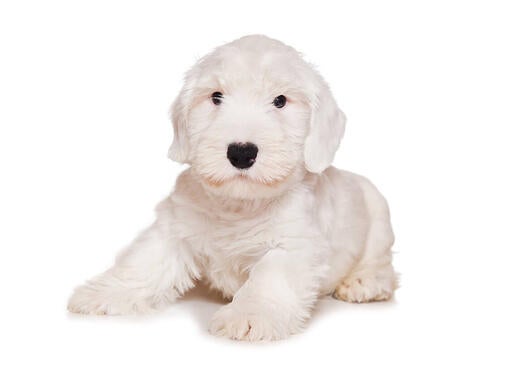
A small but sturdy little dog, the Bolognese has a white coat that is described as ‘flocked’, never curly but distinctly ruffled looking and long. These amazing furballs are known to be affectionate but a bit stubborn at time. Bolognese are very loyal to their human families, but also tend to come with a personality twice their size.


The need-to-know


  • Dog suitable for non-experienced owners
  • Basic training required
  • Enjoys gentle walks
  • Enjoys walking half an hour a day
  • Little toy dog
  • Minimum drool
  • Requires grooming daily
  • Hypoallergenic breed
  • Chatty and vocal dog
  • Guard dog. Barks and alerts
  • Great with other pets
  • Great family dog
Personality

The Bolognese is a true companion dog, bonding closely with their owners and disliking being separated from loved ones. They are typically reserved with strangers and will bark to alert their owner to anything new, unusual or strange. Despite their small stature and cuddly nature, they are an intelligent dog, and a quick learner. Training should be provided to keep their active minds engaged.


History and Origins

Country of Origin:  Italy


Probably descended from the bichon (small, white, fluffy) breeds of southern Italy and Malta the Bolognese was developed in Bologna, Italy and has been known since as early as the 11th and 12th centuries. Popular with ruling families and nobility having been owned by aristocrats such as Madame Pomadour, Louis XIV of France, Philip II of Spain an Catherine the Great of Russia, these dogs were commonly gifted as companion dogs between regions and countries. There is even talk of Bolognese dogs being routinely fed from solid gold bowls and even having servants!Despite their enchanting personalities the Bolognese remains, as it always has been, a rare breed.


Nutrition and Feeding

Toy dogs such as the Bolognese, have a fast metabolism, meaning they burn energy at a high rate, although their small stomachs mean that they must eat little and often. Small-breed foods are specifically designed with appropriate levels of key nutrients and smaller kibble sizes to suit smaller mouths. This also encourages chewing and improves digestion. Discover more about how to offer your dog a balanced diet with our easy-to-follow guide.

Exercise

More than capable of an hour of dog exercise per day, the Bolognese is small enough to entertain in a decent sized garden should the need arise. As far as the Bolognese is concerned, time spent with their owner is time perfectly spent, and they are small enough to be easily carried should a walk prove a little too long and so are a ‘take anywhere’ dog.

Other Information

Health and common issues


The Bolognese dog is generally a healthy breed with no widely recognised breed specific health problems.


Space requirements


The Bolognese will happily live anywhere in any style of housing as long as there is access to a secure garden to play in and their owner is with them the majority of the time. This companion breed will not fare well left alone for long periods and should be taught to cope with short durations of separation from their owner as it does not come naturally.


Training bolognese


The Bolognese is easy to train using positive reinforcement, and should be trained as they are smart and clever. Small though they are, the Bolognese is still a dog and is a better companion for some basic training, and a happier dog if given some mental stimulation as well as regular physical exercise. Early puppy socialisation is a must to ensure these reserved little dogs are confident and happy in all situations. They can be slow to toilet train so patience is required.


Best family dog breeds


Reserved and easily mistaken for a toy by younger children, they are suitable for quieter homes, families with older children or retired couples or singles. While many dogs are traditionally thought of as being good with children, all dogs and children need to be taught to get on with each other and be safe together. Even so, dogs and young children should never be left alone together and adults should supervise all interactions between them.


Did you know?


Despite their rarity now the Bolognese was so popular they were owned by the likes of Catherine the Great, Madame De Pompadour and Empress Maria Theresa of Austria. They have also featured (alongside their owners) in works of art by Titian, Goya, Gosse and Watteau.


Bloodhound

With his keen scent ability, the Bloodhound is used worldwide as a tracking dog in criminal searches and rescue efforts. This breed descended from the St. Huberts Hound of eighth century Belgium. Kind, docile and affectionate, the Bloodhound is a good family pet. The breed has a distinctive look due to abundant loose skin that hangs around the head and neck forming deep folds. The coat should be groomed weekly.

DID YOU KNOW? The Bloodhound’s name refers to the pure-blood breeding of this hound. Bloodhounds are such accurate trackers that they have produced evidence that has been accepted in a court of law.

ALSO KNOWN AS: Chien de Saint-Hubert, St. Hubert Hound


The need-to-know


  • Dog suitable for owners with some experience
  • Extra training required
  • Enjoys active walks
  • Enjoys walking one to two hours a day
  • Large dog
  • Minimum drool
  • Requires grooming once a week
  • Non hypoallergenic breed
  • Chatty and vocal dog
  • Not a guard dog
  • May require training to live with other pets
  • May require training to live with kids
Living Considerations
Good with children, not hypoallergenic, suitable for apartment living if sufficiently exercised
Size
Large
Height
Males – 63.5 to 69 centimetres, Females – 58 to 63.5 centimetres
Weight
Males – 40 to 50 kilograms, Females – 36 to 45 kilograms
Coat
Short
Energy
Low to medium
Colour
Black and tan, liver and tan, red
Activities
Hunting, Tracking, Police Work, Search and Rescue, Conformation
Indoor/Outdoor
Both
Personality

These are gentle-natured, affectionate dogs who usually get on well with children and can live in harmony with other dogs and household pets. They are friendly dogs who will welcome both wanted and unwanted visitors. Although quiet in the house, they can be very vocal outdoors. They are family dogs and do not like to be left alone.


History and Origins

Country of Origin: Belgium


The ancestry of modern Bloodhound dog breeds can be traced back to the monastery of St. Huberts where dogs called St. Hubert’s Hounds were originally used to track wolves, big cats or deer, or to follow the trail of wounded game. The pale white versions of the breeds went on to be known as the Talbot Hound whereas the black and tans were called Bloodhounds.The Bloodhound was brought to Britain by William the Conqueror and it was used for stag-hunting - following a wounded animal sometimes for amazingly long distances.


Nutrition and Feeding

Large breed dogs, as well as having large appetites, benefit from a different balance of nutrients including minerals and vitamins compared to smaller-breed dogs. The Bloodhound is prone to bloating and stomach problems; smaller, more frequent meals can help minimise this risk.

Exercise

As adults, the Bloodhound has phenomenal stamina and needs two-plus hours daily - but this needs to be sniffing exercise and not just mindless walking. Primarily tracking dogs, once on the trail of an enticing smell, they will be desperate to find its source! Because of their size and growth rate, they must not be over-exercised as puppies. Care must be taken in the first year to ensure their bones and joints are given a proper chance to grow.

Other Information

Health and common issues


As with many breeds, Bloodhound breeds can suffer from hip dysplasia (a condition that can lead to mobility problems). Hip scoring of dogs prior to breeding is therefore important. The droopy skin on the head of Bloodhounds can result in problems with the eyelids and eyes. The breed club monitor the health of the breed carefully and should be contacted for the most up-to-date information and details of any DNA or additional testing they recommend. Breed Clubs can be found on the Kennel Club website.


Space requirements


This is a big dog who needs a lot of countryside to sniff in! They will appreciate a big garden too - and you can use this for scent games at home.


Training bloodhounds


The Bloodhound has little to no interest in any form of training that doesn’t involve using their nose! While they should be trained to walk (run!) on a harness and lead, finding a class where you can learn scentwork and sniffing games can give your Bloodhound an outlet for using their extraordinary nose and will keep them healthy and happy.


Best family dog breeds


The Bloodhound makes a great dog for families as they are gentle and patient. They may be too big and slightly clumsy for smaller children however. While many dogs are traditionally thought of as being good with children, all dogs and children need to be taught to get on with and respect each other, and be safe together. Even so, dogs and young children should never be left alone together and adults should supervise all interactions between them.


Did you know?


  • When James Earl Ray, the murderer of Martin Luther King, escaped from prison in 1977, he was only recaptured thanks to a pack of Bloodhounds who tracked him down several days later in the mountains of Tennessee.
  • One of the most successful Bloodhounds who was responsible for tracking escaped criminals in Kentucky recaptured over 600 fugitives. In one notable case, the trail ran for 138 miles and was 104 hours old.
  • Such is the regard for their scenting abilities, in many states of the US, a Bloodhound’s evidence in court cannot be challenged.