Machine Name
dog
Zoomed product photo

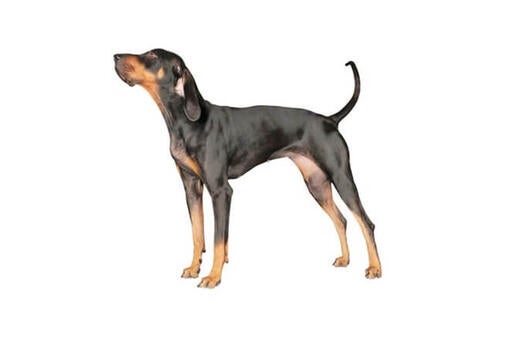
Black and Tan Coonhound

With his powerful nose, fierce desire to hunt and great endurance, the Black and Tan Coonhound is used to track raccoons, deer and bear. This breed originated in the late 1700s when hunters in the Southeast crossed Bloodhounds and Foxhounds to create a new hound capable of independently tracking prey and following cold trails for long distances. Outgoing and playful, the breed requires moderate or fenced exercise daily.

DID YOU KNOW? The Black and Tan Coonhound does equally well hunting alone or with a pack and can handle even the most rugged terrain. Like many coonhounds, the Black and Tan is named for his coat colour, which is black with rich tan markings above the eyes and on the chest and legs.

ALSO KNOWN AS: American Black and Tan Coonhound

The need-to-know

  • Dog suitable for non-experienced owners
  • Basic training required
  • Enjoys active walks
  • Enjoys walking an hour a day
  • Medium dog
  • Some drool
  • Requires grooming once a week
  • Non hypoallergenic breed
  • Quiet dog
  • Guard dog. Barks and alerts
  • May require training to live with other pets
  • Great family dog
Living Considerations
Good with older children, not hypoallergenic, not suitable for apartment living
Size
Medium
Height
Males – 63.5 to 69 centimetres at the shoulder, Females – 58.5 to 63.5 centimetres at the shoulder
Weight
Males – 36 to 41 kilograms, Females – 29.5 to 34 kilograms
Coat
Short
Energy
Medium
Colour
Black with rich tan markings
Activities
Hunting, Field Trials, Tracking, Agility, Herding, Obedience, Search and Rescue, Conformation
Indoor/Outdoor
Both
Zoomed product photo

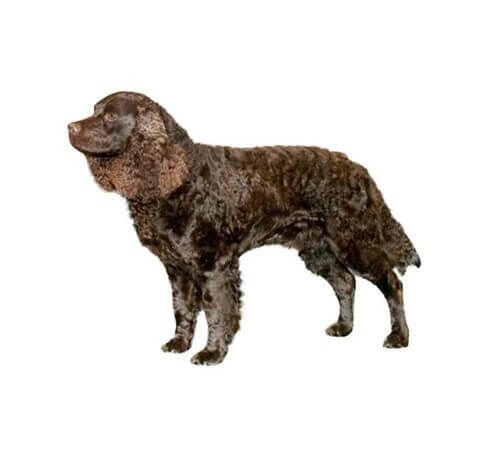
American Water Spaniel

Intelligent, energetic and eager to please, the American Water Spaniel is a versatile hunting dog and devoted family companion. One of the few breeds developed in the U.S., this rare breed only has about 3,000 registered dogs. The American Water Spaniel is an active dog that needs regular exercise. His naturally curly coat requires regular grooming and twice weekly brushing.

DID YOU KNOW? The American Water Spaniel is an excellent swimmer, even in rough waters, using his tail as a rudder.

ALSO KNOWN AS: American Brown Spaniel, American Brown Water Spaniel

The need-to-know

  • Dog suitable for owners with some experience
  • Some training required
  • Enjoys active walks
  • Enjoys walking one to two hours a day
  • Medium dog
  • Some drool
  • Requires grooming once a week
  • Non hypoallergenic breed
  • Chatty and vocal dog
  • Guard dog. Barks and alerts
  • Great with other pets
  • Great family dog
Living Considerations
Good with children, not hypoallergenic, suitable for apartment living if sufficiently exercised
Size
Medium
Height
38 to 46 centimetres
Weight
Males - 13 to 20 kilograms, Females - 11 kilograms
Coat
Varies from wavy to tight curls
Energy
Active
Colour
Solid liver, brown or dark chocolate, and may have white on toes or chest
Activities
Field Trials, Hunting, Agility, Rally, Conformation, Obedience, Therapy
Indoor/Outdoor
Both
Zoomed product photo

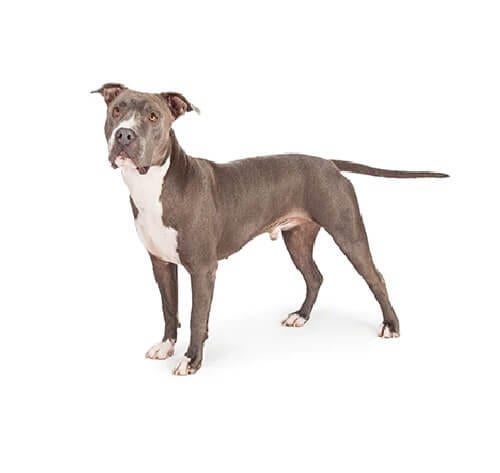
American Staffordshire Terrier (Amstaff)

Stocky and muscular with a strong, powerful head, the American Staffordshire Terrier resulted when the courageous Bulldog was crossed with a spirited, agile terrier breed. Friendly, intelligent and loyal, this people-oriented breed thrives as part of the family and when given a job to do. An excellent guardian, he loyally protects his family. The Am Staff has a low-maintenance short coat, but he requires regular exercise.

DID YOU KNOW? The most decorated dog of World War I was an American Staffordshire Terrier named “Stubby,” who earned the rank of Sergeant.

ALSO KNOWN AS: Amstaff

The need-to-know

  • Dog suitable for experienced owners
  • Some training required
  • Enjoys vigorous walks
  • Enjoys walking an hour a day
  • Large dog
  • Some drool
  • Requires grooming once a week
  • Non hypoallergenic breed
  • Chatty and vocal dog
  • Guard dog. Barks, alerts and it's physically protective
  • May require training to live with other pets
  • Great family dog
Living Considerations
Suitable for apartments, good with children, not hypoallergenic
Size
Large
Height
Males - 45 to 48 centimetres at the shoulders; Females - 43 to 45 centimetres at the shoulders
Weight
Males – 25 to 31 kilograms; Females – 18 to 28 kilograms
Coat
Short
Energy
Medium
Colour
Any color
Activities
Agility, Conformation, Obedience, Tracking
Indoor/Outdoor
Both
Zoomed product photo

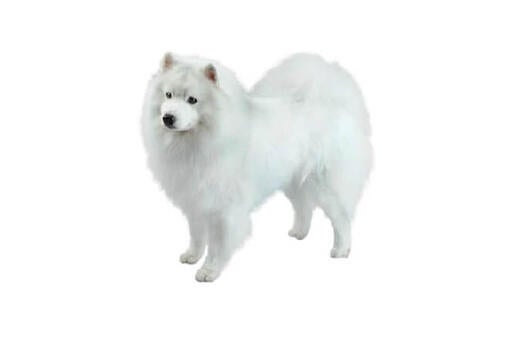
American Eskimo

The American Eskimo Dog, which descended from European spitz-type dogs, was brought to the U.S. by German immigrants. The breed comes in three size varieties: Standard, Miniature and Toy. Nicknamed the “Eskie,” this breed has a heavy white coat that requires weekly brushing. Although intelligent, affectionate and playful, the American Eskimo Dog can be skeptical of strangers.

DID YOU KNOW? Highly intelligent, trainable and agile, the American Eskimo Dog was a popular circus dog that performed tricks in acts in the late 19th century. An Eskie named Stout’s Pal Pierre was the first dog to walk a tightrope.

ALSO KNOWN AS: Eskimo Spitz, American Spitz, German Spitz

The need-to-know

  • Dog suitable for non-experienced owners
  • Basic training required
  • Enjoys gentle walks
  • Enjoys walking half an hour a day
  • Small dog
  • Minimum drool
  • Requires grooming once a week
  • Non hypoallergenic breed
  • Quiet dog
  • Not a guard dog
  • Great with other pets
  • Great family dog
Living Considerations
Good with children, not hypoallergenic, Suitable for apartment living if sufficiently exercised
Size
Small
Height
Toy - 23 to 25 centimetres at the withers; Miniature – 30 to 38 centimetres at the withers; Standard, 38 to 48 centimetres at the withers
Weight
3kg - 18kg
Coat
Fluffy, double coat
Energy
Medium
Colour
White or white with biscuit cream
Activities
Conformation, Agility, Obedience
Indoor/Outdoor
Both
Zoomed product photo

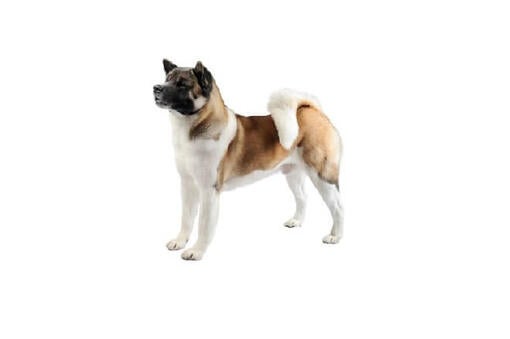
Akita

Developed in the mountains of Japan, the Akita originally was used to hunt bear, elk and boar. The breed can have an aggressive temperament, requiring supervision around small children and other animals. The Akita has a distinctive thick, double coat and plush tail that curls over his back. Although a fastidious groomer like a cat, he still needs daily brushing. Active and energetic, this breed should be exercised daily.

DID YOU KNOW? Helen Keller is credited with bringing the first Akita to the U.S., having received a puppy from the Ministry of Education during a visit to Japan in 1937.

ALSO KNOWN AS: Akita Inu, Japanese Akita, American Akita

The need-to-know

  • Dog suitable for owners with some experience
  • Some training required
  • Enjoys active walks
  • Enjoys walking an hour a day
  • Medium dog
  • Some drool
  • Requires grooming daily
  • Non hypoallergenic breed
  • Chatty and vocal dog
  • Guard dog. Barks and alerts
  • May require training to live with other pets
  • May require training to live with kids
Living Considerations
Not suitable for children, not hypoallergenic, not suitable for apartment living
Size
Medium
Height
Males – 66 to 72 centimetres at the withers; Females - 61 to 66 centimetres at the withers
Weight
Males – 34 to 59 kilograms; Females – 31 to 46 kilograms
Coat
Puffy double coat
Energy
Medium
Colour
Any color including white, brindle or pinto
Activities
Conformation, Agility, Rally, Obedience
Indoor/Outdoor
Both
The Healthy Dog Weight and Body ConditionDog-run-with-food-bowl-HERO.jpg9 mins read<p>You love your dog just the way they are, so you probably won’t worry too much if they seem to put on just a few extra pounds. But from a health point of view, size really does matter!</p><p>&nbsp;</p>
<p>Although weighing your dog and monitoring their weight regularly is a good idea, this can be tricky as there is a lot of variation between breeds and it’s not always easy to know what is right for your pet. That’s where dog body condition scoring can make things easier.</p><p>&nbsp;</p>
<p>What is the dog body condition score?</p><p>&nbsp;</p>
<p>Dog body condition scoring allows you to assess the amount of fat your dog is carrying, it is easy to do at home without scales, and can identify problems in overweight dogs before the scales show a big change. What’s more, the scale applies to nearly every kind of dog, so you can easily check them between visits to the vet whether they’re big, small, wiry or extremely furry!</p><p>&nbsp;</p>
<p>Why is the dog body condition score important?</p><p>&nbsp;</p>
<p>Owning a dog means keeping a close eye on your dog’s body score and working to maintain an 'ideal' score of four or five throughout all stages of your dog's life. This can also decrease the risk of health problems associated with owning an overweight dog. These include arthritis, heart disease and even diabetes, which not only mean large vet bills but an unhappy, uncomfortable dog – more reason than ever to get them in shape!</p><p>&nbsp;</p>
<p>Like people, each one processes their food in a slightly different way, particularly depending on their age and activity level. If your dog gets more calories than they need, those excess calories may be stored as fat, which in the worst case can lead to obesity in dogs.</p><p>&nbsp;</p>
<p>"Learning how to perform a body condition score for your pet, and regularly assessing this in combination with appropriate nutrition and exercise, will ensure you're doing your best for your pet's health and wellbeing", says Zara Boland, Purina's vet.</p><p>&nbsp;</p>

You love your dog just the way they are, so you probably won’t worry too much if they seem to put on just a few extra pounds. But from a health point of view, size really does matter!

Health Feeding & Nutrition