Machine Name
dog

English Toy Terrier (Black & Tan)

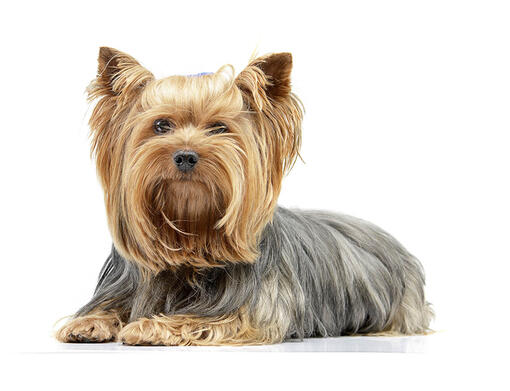
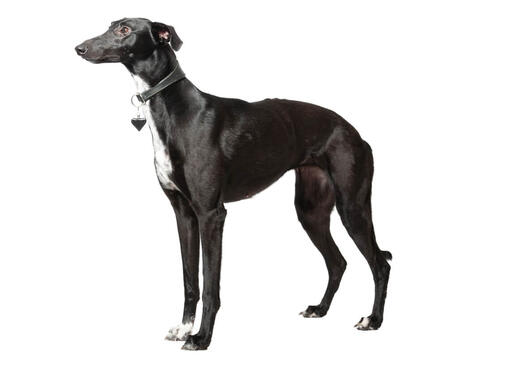
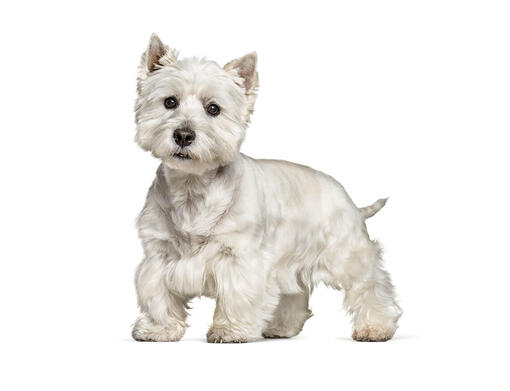
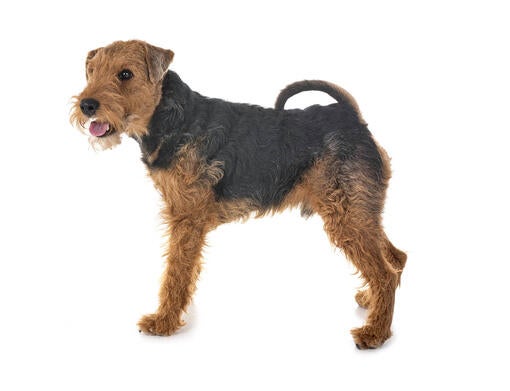
English Toy Terriers are small, smooth-coated black and tan dogs with pointed, erect ears. They are slightly longer than they are tall. Ideally, the adult English Toy Terrier measures 25-30cm and weighs around 2.7-3.6kg.


The need-to-know


  • Dog suitable for owners with some experience
  • Some training required
  • Enjoys gentle walks
  • Enjoys walking half an hour a day
  • Little toy dog
  • Minimum drool
  • Requires grooming once a week
  • Non hypoallergenic breed
  • Very vocal dog
  • Guard dog. Barks and alerts
  • May require training to live with other pets
  • May require training to live with kids
Personality

This little dog does possess a trace of the terrier temperament. On the whole they are affectionate, friendly and totally devoted to their family. They will quite happily live in either the town or country and get on well with older children. They should be socialised with other dogs, cats and children from an early age.

History and Origins

The English Toy Terrier dog breed was known as the Miniature Black


Tan Terrier up to the 1960s, and can be traced back to the black and tan terriers recorded in the 16th century. In England during the 1800s these terriers were very much in demand as ratters due to the increasing rat population brought about by the advancement of the industrial revolution. They were carried by gentlemen in their pockets on hunts and sent to ground as necessary to flush out foxes and so on. Contests between terriers and betting on how long it would take the dogs to kill a number of rats became popular. As the English Toy Terrier became ever more popular, and people wanted smaller dogs, a lot of interbreeding took place with the smallest of the litters being used for breeding.

Nutrition and Feeding

Toy dogs have a fast metabolism, meaning they burn energy at a high rate, although their small stomachs mean that they must eat little and often. Small-breed foods are specifically designed with appropriate levels of key nutrients and smaller kibble sizes to suit smaller mouths. This also encourages chewing and improves digestion.

Exercise

The English Toy Terrier breed does not require a lot of exercise – about half an hour daily is needed for an adult. However, they do enjoy longer walks and, although they may appear dainty and frail, they can walk for many miles. They also enjoy terrier-type games!

Other Information

Health and Common Issues


The English Toy Terrier is generally a very healthy breed. Like many small breeds, they can suffer from kneecaps that may temporarily slip out of place (luxating patellas).


Best Family Dog Breeds


While many dogs are traditionally thought of as being good with children , all dogs and children need to be taught to get on with and respect each other, and be safe together. Even so, dogs and young children should never be left alone together and adults should supervise all interactions between them.

English Setter

An elegant, graceful gundog, the English Setter developed in England more than 400 years ago. This affectionate, friendly, gentle breed excels as a family companion. Athletic and energetic, the English Setter requires vigorous daily exercise. He loves his family and is not happy when isolated in a yard or kennel for long periods. The English Setter’s beautiful, feathered coat requires regular maintenance.

DID YOU KNOW? Although many people believe English, Gordon and Irish setters are representatives of different colours or varieties of the same breed, they are three separate breeds.

ALSO KNOWN AS: Lawerack, Laverack, Llewellin (or Llewellyn), Setter


The need-to-know


  • Dog suitable for non-experienced owners
  • Some training required
  • Enjoys vigorous walks
  • Enjoys walking more than two hours a day
  • Large dog
  • Some drool
  • Requires grooming every other day
  • Non hypoallergenic breed
  • Quiet dog
  • Not a guard dog
  • Great with other pets
  • Great family dog
Lifespan:
10 – 12 years
Weight:
27 – 36kg
Height:
61 – 69cm
Colours:
The rather old term ‘belton’ is used to describe their flecked colour patterning, which can be lemon, orange, liver or blue (black), or tricolour (a mix of blue belton and liver, or tan belton and tan) over a white background
Size:
Large
UK Kennel Club Groups:
Gundog
Personality

The English Setter is a friendly, amiable natured dog that bonds well with family, though is likely to be a little more reserved with strangers. Less enthusiastic or exuberant than some of the Setter family, they are easy going with other dogs and household pets.


They are slow to mature and care should be taken to socialise and habituate sensitively, and never overwhelm them or take their tolerant nature for granted.

History and Origins

Country of Origin: England


The English Setter’s roots go back to the 1500s, when references to bird dogs that probably resemble the modern English Setter in some way were recorded. There was however, much competition and rivalry between landowners to develop their own specific Setter, and so the exact history is unclear with many variations!


It’s likely the Setters are an offshoot of the various land spaniels brought over from Spain, with the possible addition of water spaniel, pointer and springer spaniel types.


It’s generally agreed that Sir Edward Lavarack was the most instrumental in establishing the English Setter as a distinct and recognised breed.


The English Setters original function was ‘setting’, crouching to indicate where birds were hidden, then either remaining in position whilst nets were thrown, or being asked to move on and push birds into the air to meet the hunter’s hawks (later guns, as falconry fell out of favour).

Nutrition and Feeding

Large breed dogs, as well as having large appetites, benefit from a different balance of nutrients including minerals and vitamins compared to smaller-breed dogs. The English Setter is prone to bloating and stomach problems; smaller, more frequent meals can help minimise this risk.

Exercise

Expect plenty of walking with this breed, several hours per day through a variety of country locations – pavement walks are unlikely to keep an English Setter amused for long, and secure space for free running is important.

Other Information

Health and Common Issues


As with many breeds, the English Setter can suffer from various hereditary eye disorders, and hip dysplasia (a condition that can lead to mobility problems). Eye testing and hip scoring of dogs prior to breeding is therefore important. Deafness may also occur as an inherited disorder and can be tested for from a young age. The breed club monitor the health of the breed carefully and should be contacted for the most up-to-date information and details of any DNA or additional testing they recommend. Breed Clubs can be found on the Kennel Club website.


Space Requirements


The English Setter, while not the largest of the setters, is still a large dog, with a long coat that picks up a surprising quantity of mud, muck and leaf litter. A large garden, and moderate to large home are recommended, ideally with space for a wet muddy setter to dry off after walks. Better suited to countryside or leafy suburbs, this is not a dog that thrives in the town or city.


Training English Setter


Patience is the key with any Setter and the English Setter is no exception. The breed is predisposed to be distracted by birds both on the ground and in the air, and plenty of work must be put into building a bond, and on recall. This is not a dog who enjoys repetitive training for its own sake, but owners should try to slip training into every day activities instead, and exercise careful management until training is of a high enough standard that they will come back when called – most of the time!


Best Family Dog Breeds


The more reserved, sensitive nature of the English Setter means this is a dog better suited to families with older children, who enjoy long walks no matter what the weather. When young, the English Setter (particularly males) can be quite boisterous in play and unaware of their size, making them a risk to very small children and sometimes clumsy around very small dogs. Although patient and tolerant to a degree, the English Setter would prefer a quieter, more mature home. While many dogs are traditionally thought of as being good with children, all dogs and children need to be taught to get on with and respect each other, and be safe together. Even so, dogs and young children should never be left alone together and adults should supervise all interactions between them.


Did You Know?


  • Even amongst litters of show bred puppies, their freezing crouching behaviour can be seen almost as soon as puppies can walk!
  • ‘Belton’ is a very old term for the flecked colour pattern the English Setters coat displays. It’s also seen on Welsh Cobs and Clydesdale horses.
  • President Franklin D. Roosevelt owned around seven dogs while he was in the White House, one was an English Setter called Winks.
  • The English Setter was once used as a status symbol and it was illegal for commoners to own one in the early 17th century, the nobles believed this was the best way to prevent the breed from becoming weak stock.
  • English Setter’s are quite an old breed and can be traced back at least 400 years.

Dogue De Bordeaux (Bordeaux Mastiff)

The Dogue de Bordeaux is a powerful, muscular French breed with an instinct for guarding. Though the breed’s appearance can be intimidating, he is a gentle companion with a patient, calm temperament. Fiercely loyal and devoted, he is an excellent guard dog. The Dogue de Bordeaux is known for drooling and snoring but is easy to care because he requires minimal grooming and moderate exercise.

DID YOU KNOW? A Dogue de Bordeaux named “Beasley” appeared as the slobbery but loveable “Hooch” in the 1989 film, “Turner and Hooch,” starring Tom Hanks. Throughout history, the Dogue de Bordeaux has been a guardian, hunter and fighter. He was trained to bait bulls, bears and jaguars, hunt boars, herd cattle, and guard homes.

ALSO KNOWN AS: Dogue de Bordeaux, Bordeaux Mastiff, French Mastiff, Bordeauxdog


The need-to-know


  • Dog suitable for experienced owners
  • Extra training required
  • Enjoys active walks
  • Enjoys walking an hour a day
  • Giant dog
  • Minimum drool
  • Requires grooming once a week
  • Non hypoallergenic breed
  • Quiet dog
  • Guard dog. Barks, alerts and it's physically protective
  • May require training to live with other pets
  • May require training to live with kids
Lifespan:
8–12 years
Weight:
45–50kg
Height:
58–68cm
Colours:
The coat of the Dogue de Bordeaux is short and quite soft to the touch, and can be all shades of fawn
Size:
Giant
Kennel Club group:
Working
Personality

The Dogue de Bordeaux is a devoted companion that bonds closely with their family and will protect them and their territory if they feel it is threatened. Well-bred, socialised and trained, they are good with children and will accept other household pets if introduced to them when young. They may be aloof - or even positively discouraging - with strangers. They love to please and need to be trained in a consistent and calm manner as they can be surprisingly sensitive.

History and Origins

Country of Origin: France


The precise origin of this breed is unknown with some thinking that is it was originally an ancient Roman breed while others suggest it is descended from the Tibetan Mastiff and the Greek Molossus. Others say it has always been a French dog that has slowly been developed over 2000 years. Whatever their history, the Dogue de Bordeaux started their working life as a highly successful fighting dog and was pitted against bulls, bears and other dogs. As well as being a fighter, the Dogue turned their paws to other roles and over the years has been a war dog, a guard dog, a hunting dog and even a cattle driving dog. It was this latter role that saved the breed after the French Revolution when most noble dogs met the same fate as their noble masters. Those working as mere ‘butcher’s dogs’ (who may indeed have been the more peaceable individuals), survived and were later able to re-establish the breed. As part of this re-establishment, they were crossed with the Bulldog which reduced their size.

Nutrition and Feeding

Giant-breed dogs, as well as having giant appetites, benefit from a different balance of minerals and vitamins, supporting different joint and cartilage needs. The Dogue de Bordeaux is prone to bloating and stomach problems; try feeding smaller, more frequent meals to help minimise the risk.

Exercise

They do not require as much exercise as may be expected – about an hour daily should be sufficient for an adult but this is better split into several short walks. They do enjoy spending time outside in the garden however, as long as it’s secure and they have both shade and constant access to water. Too much exercise too young can lead to bone and joint problems in later life and so should be carefully monitored.

Other Information

Health and Common Issues


As with many breeds, the Bordeaux breed can suffer from hip dysplasia (a condition that can lead to mobility problems). Hip scoring of dogs prior to breeding is therefore important. They are also prone to skin infections in the excessive skin folds. As they are a brachycephalic breed (short nosed), they can suffer from breathing problems and are likely to be unable to cope with heat or over-exercise.


Space Requirements


This is a dog who needs a lot of space both inside and out. Gardens should be securely fenced with no access to casual visitors.


Best Family Dog Breeds


The Dogue de Bordeaux can make a good family dog where there are older sensible children but is too large and often a little clumsy to be good with younger ones. Their aloofness with strangers means they are not good in households with lots of visitors of any age. While many dogs are traditionally thought of as being good with children, all dogs and children need to be taught to get on with and respect each other, and be safe together. Even so, dogs and young children should never be left alone together and adults should supervise all interactions between them.


Did You Know?


  • The Dogue de Bordeaux found fame in Hollywood starring opposite Tom Hanks in Turner and Hooch. Tom Hanks spent a lot of time playing with the four different dogs who played Hooch so that they would be comfortable with him when they were filming - and apparently Tom Hanks even learnt how to use a clicker! Even then Tom later said it had been one of his most difficult parts because the dogs just did pretty much what they wanted to and it was up to Hollywood’s best loved actor to just react to whatever happened!
  • They’re also known as ‘French Mastiffs’ ‘Bordeaux Bulldogs’ and ‘Bordeaux Mastiffs’.

Dobermann

The Doberman Pinscher was bred in Germany in the late 19th century as a guard dog and companion. Brave, intelligent and easily trained, he also came into high demand as a police and war dog. This energetic, watchful and obedient breed makes an affectionate and loyal family dog. His short coat requires minimal maintenance, but he does best with regular exercise.

DID YOU KNOW? A statue called “Always Faithful” stands at the dog cemetery at the U.S. Naval Base in Guam honoring the Doberman Pinschers who gave their lives serving as sentries, messengers and scouts during World War II.

ALSO KNOWN AS: Doberman


The need-to-know


  • Dog suitable for experienced owners
  • Extra training required
  • Enjoys active walks
  • Enjoys walking one to two hours a day
  • Large dog
  • Minimum drool
  • Requires grooming once a week
  • Non hypoallergenic breed
  • Quiet dog
  • Guard dog. Barks, alerts and it's physically protective
  • May require training to live with other pets
  • May require training to live with kids
Life Span:
10-13 years
Weight:
The adult weighs around 32-45kg
Height:
Adult males measure around 69cm and adult females 65cm
Colours:
Brown, black, blue or fawn (also known as Isabella) with rust markings
Size:
Large
Kennel Club group:
Working
Personality

The Dobermann is a dog who needs mental and physical activity. Socialised early with other dogs, pets and children, the Dobermann can make a good family pet. Being loyal and affectionate these dogs will certainly protect the home.


They often tend to be a 'one man dog' and will usually ‘belong’ more to one person in the family rather than the whole family. Dobermanns are often suspicious of strangers - human and canine. By merit of their size, strength and activity levels - as well as their guarding tendencies - they are not for the inexperienced or for those who can’t put in the time to exercise and train these demanding dogs.

History and Origins

The Dobermann was created with a very specific job in mind. In the late 19th century Louis Dobermann, a German tax collector was getting pretty fed up of getting robbed when he was collecting money and decided he needed an effective personal protection dog. As he was also the director of the local animal shelter, he had plenty of opportunities to do some complicated cross-breeding in order to produce a physically imposing dog who would be both fierce if needs be and act as an effective deterrent.


Sadly, Herr Dobermann was a far better tax collector than he was at recording his dog breeding so it is largely guesswork what breeds he used to create his perfect companion. It’s thought that he added German Pinschers, Rottweilers, Beaucerons and German Pointers to the mix, but despite some now hazy beginnings, he certainly created an impressive and now well-loved dog.


By 1899 the breed was recognised by the German Kennel Club and they soon became popular the world over for their almost unbeatable skills as a property guard and in security work. Their guarding traits have been watered down over the years and they are now more often to be seen as companion dogs but those instincts are often not that far from the surface.

Nutrition and Feeding

Large breed dogs, as well as having large appetites, benefit from a different balance of nutrients including minerals and vitamins compared to smaller-breed dogs. Dobermanns are prone to bloating and stomach problems; smaller, more frequent meals can help minimise this risk.

Exercise

A Dobermann needs plenty of dog exercise, training and stimulation. This is an active, athletic breed that will enjoy long walks to include free-running. Two-plus hours of daily exercise is recommended for an adult Doberman, along with ongoing training. They are also a playful dog so will enjoy enrichment toys and interactive games to keep their brains and bodies occupied.

Other Information

Health and Common Concerns


The most common health problems encountered in Dobermanns are heart disease, a problem with the vertebrae in the neck (Wobbler's syndrome) and von Willebrand's disease (a disorder of blood clotting). As with many breeds, they can suffer from various hereditary eye disorders, and hip dysplasia (a condition that can lead to mobility problems). Eye testing and hip scoring of dogs prior to breeding is therefore important. Contact the breed club for the most up to date health testing information.


Space Requirements


The Dobermann is a large dog breed with serious exercise needs and so needs a substantial sized house and garden - and ideally with access to the countryside for the long walks they will need. If the dog is to have free range of the garden, safe access to the front door will be needed for deliveries etc.


Training Dobermanns


Dobermanns are clever and love to work with their owners and so are extremely trainable. These are dog who need to be trained to a high level to keep them controllable, safe and to manage their natural guarding instincts. Early dog socialisation is extremely important as their natural suspicion of strangers can cause serious problems if under-socialised and not well-managed.


Best Family Dog Breeds


While the Dobermann can make a great family dog that is devoted to all, they are generally too large for smaller children and may be problematic with visiting children or their parents so they are better in child-free situations or with older sensible children. While many dogs are traditionally thought of as being good with children, all dogs and children need to be taught to get on with each other and be safe together. Even so, dogs and young children should never be left alone together and adults should supervise all interactions between them.


Did You Know?


During the first World War the breed almost died out as people in Europe couldn’t afford to keep such large dogs but the Dobermann found work in the military and police which ensured their future. When they first hit the show rings legend says that judges were too scared of them to open their mouths to look at their teeth and so one dog became a Champion despite missing several teeth!

Deerhound

These large-sized, shaggy-coated sighthounds have a very athletic appearance but are elegant despite their size. They are often described as resembling a shaggy-coated greyhound.


The need-to-know


  • Dog suitable for experienced owners
  • Some training required
  • Enjoys gentle walks
  • Enjoys walking an hour a day
  • Large dog
  • Minimum drool
  • Requires grooming every other day
  • Non hypoallergenic breed
  • Quiet dog
  • Not a guard dog
  • May require training to live with other pets
  • Great family dog
Lifespan:
8 – 11 years
Weight:
34 – 50kg
Height:
70 – 82cm
Colours:
A variety of colours are known, including dark blue-grey, darker or lighter greys, brindles, yellows and red or red fawn with black points, however it is now unusual to find adults in any other colour than grey. Small white patches on toes, chest and tail
Size:
Large
UK Kennel Club Groups:
Hound
Personality

Gentle and unassumingly friendly, the Deerhound can make an excellent pet if their instincts to chase and hunt are taken into account. Typically a quiet and reserved hound, Deerhounds can be very demonstrative in their affections with family and friends, but not overwhelming or outrageously rude. A gentle sense of humour is to be expected, and adult Deerhounds normally seem to be aware of their size around smaller animals or children and act carefully, although every dog’s personality will be different. As with all large or giant breeds, Deerhounds take several years to mature into calm adults.

History and Origins

Country of Origin: Scotland


Rough coated or shaggy, tall sighthounds have existed in Scotland for over 500 years, and their original purpose was hunting wolves, rather than deer. As the wolf population reduced, deer became the chosen quarry and the early ancestors were refined into the smaller, more elegant yet still rough coated and robust Deerhound we know today.


Whilst deer hunting with hounds slowly fell out of popularity and more recently became illegal, the Deerhounds laid-back but noble nature meant they still appealed as pets for those who had the space, and the Victorians were in particular responsible for their survival.

Nutrition and Feeding

Large breed dogs, as well as having large appetites, benefit from a different balance of nutrients including minerals and vitamins compared to smaller-breed dogs. Deerhounds are prone to bloating and stomach problems; smaller, more frequent meals can help minimise this risk.

Exercise

As puppies Deerhounds should be restricted in their activities. Adult Deerhounds are energetic and athletic and require lots of exercise – two-plus hours a day - and love to run free.


As puppies and juveniles, this is a breed who should be managed carefully around stairs, steps and steep inclines.


Although not a dog to enjoy repetitive training, mental stimulation in the form of interaction with owners, investigating new objects or smells will be appreciated, this is a curious hound particularly when young.

Other Information

Health and Common issues


The most serious health problems that the Deerhound breed is predisposed to are an aggressive type of bone cancer and heart disease. Recognised inherited disorders include liver and eye conditions, but due to routine screening and careful breeding programmes these are relatively rare. The breed club monitor the health of the breed carefully and should be contacted for the most up-to-date information and details of any DNA or additional testing they recommend. Breed Clubs can be found on the Kennel Club website.


Space Requirements


Deerhounds can take up surprisingly little indoor space, as they are a tall rather than bulky dog, however they are long backed, and may find turning in tight spaces awkward, and will need large beds and crates to stretch out properly. Large gardens are a must but otherwise this is a breed who can live happily in town or country, as long as secure space for free running is available. This is a very tall dog who can reach counter tops and tables, and will require their size to be taken into consideration when purchasing beds, equipment and vehicles, though they can curl up remarkably small when they wish to do so.


Training Deerhound


Training must be kept fun and engaging, Deerhounds have a short attention span and little desire to repeat tasks they deem pointless. Focus on the important basics such as recall, lying down when asked and walking on a loose lead and avoid teaching them to jump up as their size can intimidate others easily. Use play and the opportunity to chase appropriate toys alongside traditional food reward methods. Few Deerhounds can sit comfortably, if this is the case teach a down or a stand as an alternative.


Best Family Dog Breeds


Deerhounds are excellent with their own families and close friends, but may be initially reserved with strangers. Normally quietly curious about visitors rather than wildly over-enthusiastic, given respectful space the Deerhound makes new friends easily. Much as they are generally good with children, they may be too big for very young ones, especially when slightly clumsy puppies and adolescents. While many dogs are traditionally thought of as being good with children, all dogs and children need to be taught to get on with and respect each other and be safe together. Even so, dogs and young children should never be left alone together and adults should supervise all interactions between them.


Did You Know?


  • Often mistaken for the Irish Wolfhound, in fact the Deerhound is one of the breeds used to recreate the Irish Wolfhound, along with several other breeds.
  • A Deerhound named Cleod played the role of Padfoot, Sirius Blacks Animagus form in two Harry Potter films, Harry Potter and the Prisoner of Azkaban (2005) and Harry Potter and the Order of the Phoenix (2007).
  • The Deerhound is an extremely old breed and can be definitively traced back to the 16th and 17th centuries. Sir Walter Scott owned a Deerhound called Maida who he referred to as “a most perfect creature of heaven”. Deerhound’s are incredibly skilled at lure coursing and in 1994, a 14-month-old Scottish Deerhound won the inaugural National Lure Coursing Championship.

Dandie Dinmont Terrier (Dandie)

Developed on the border of England and Scotland in the 1700s to hunt otter and badger, the Dandie Dinmont Terrier is best known today for his companionship. This breed is an excellent guard dog but may be aggressive with other dogs and animals. Gentle, affectionate and loyal, the Dandie is particularly good with children. Professional trimming or stripping is necessary to maintain the rough double coat.

DID YOU KNOW? Once popular with gypsies, the Dandie Dinmont Terrier also was a favorite of Queen Victoria. The breed is named for the character Dandie Dinmont in Sir Walter Scott’s 1814 novel, “Guy Mannering.” In the book, Dandie Dinmont had six terriers.

ALSO KNOWN AS: Dandie, Hindlee Terrier


The need-to-know


  • Dog suitable for owners with some experience
  • Basic training required
  • Enjoys gentle walks
  • Enjoys walking an hour a day
  • Small dog
  • Minimum drool
  • Requires grooming every other day
  • Hypoallergenic breed
  • Chatty and vocal dog
  • Guard dog. Barks and alerts
  • May require training to live with other pets
  • Great family dog
Lifespan:
12 – 15 years
Weight:
8 – 11kg
Height:
20 – 28cm
Colours:
The coat comes in either pepper (grey) or mustard (a gold/yellow shade)
Size:
Small
UK Kennel Club Groups:
Terrier
Personality

Whilst no longer seen in the hunting field, the Dandie Dinmont retains the typical terrier traits, including a strong desire to hunt, and a tenacious and independent spirit. To their family and friends, they are affectionate, sensitive and devoted, making them an excellent and fun companion and a joy to own and live with. Not as excitable or reactive as some terriers, they are still an active and clever little dog in need of daily exercise and mental stimulation.

History and Origins

Country of Origin: Scotland


Originally named the Mustard and Pepper Terrier, this is a working terrier developed in the 1600’s to hunt badger, otter and other quarry. In common with many terrier types, the Dandie Dinmont owes its existence to the common pastime amongst sporting men of developing their own specific type. However, the Dandie Dinmont gets its rather unusual name from the novel ‘Guy Mannering’ by Sir Walter Scott. The fictional character ‘Dandie Dinmont’ was based on a real borders’ farmer, James Davidson, who had a pair of this type of terrier named Mustard and Pepper. The fictional Dandie Dinmont was written as owning a pack of terriers named Auld Mustard and Auld Pepper, Young Mustard, Young Pepper, Little Mustard and Little Pepper, and so, despite Sir Scott’s claims to the contrary, there is little doubt who this character was based on. So much so that the real James Davidson’s friends took to teasing him and calling him ‘Dandie Dinmont’ following the novels publication.


Other farmers with dogs of this type took to calling them Dandie Dinmont’s Dogs and eventually the name stuck. The Dandie Dinmont breed club was formed in 1875 making it the second oldest breed club in the UK. The Dandie Dinmont is now a rare breed and the Kennel Club class them as vulnerable.

Nutrition and Feeding

Small dogs have a fast metabolism, meaning they burn energy at a high rate, although their small stomachs mean that they must eat little and often. Small-breed foods are specifically designed with appropriate levels of key nutrients and smaller kibble sizes to suit smaller mouths. This also encourages chewing and improves digestion.

Exercise

Despite their small size, the Dandie Dinmont requires at least an hour’s exercise per day, plus play and training that engages body and mind. Once that need is met however, they are quite easy going and undemanding to live with. They can enjoy a variety of dog sports, but keep in mind their short legs and long back means they can be easily injured by over extending themselves jumping or tackling steep stairs or slopes and so care must be taken with any activity that involves jumping.

Other Information

Health and Common Issues


As with many breeds the Dandie Dinmont Terrier may suffer hereditary eye disorders, and routine eye testing is advised. Like many small breeds, they can suffer from kneecaps that may temporarily slip out of place (luxating patellas), and their body shape makes them more prone to spinal disorders. The breed club monitor the health of the breed carefully and should be contacted for the most up-to-date information and details of any DNA or additional testing they recommend. Breed Clubs can be found on the Kennel Club website.


Space Requirements


A small dog, they are not demanding to house, but their longer backs and short legs means stairs are to be avoided wherever possible. This would rule out high-rise living or homes with multiple steep staircases, unless they can be kept on one level and carried. A secure garden of a decent size will keep a Dandie happy on days when walks are in short supply, but access to a variety of interesting walking routes is necessary. Inclined to alert bark to suspicious activity, the Dandie Dinmont will need to be well supervised and trained in a busier, urban home, and may be better suited to a quieter more rural environment or at least somewhere with no close neighbours.


Training Dandie Dinmont Terriers


Independent spirited, but loyal and affectionate, the Dandie Dinmont will be a fun challenge to train for those who enjoy working with terriers. Pay careful attention to socialisation with other dogs, cats and livestock, and work hard at training a recall, and of course, the ‘quiet’ cue. As with most terriers, the Dandie’s are a fan of the sound of their own voices if left untrained or unchecked! If motivated, they are capable of a variety of games and sports, and can enjoy scent work, the newer competitive sports of Rally and Hoopers - and digging!


Best Family Dog Breeds


An excellent family dog for those who like walking and training with terriers, but their small size and long back means they are better with older children who can be taught not to pick them up or play rough games with them. While many dogs are traditionally thought of as being good with children, all dogs and children need to be taught to get on with and respect each other, and be safe together. Even so, dogs and young children should never be left alone together and adults should supervise all interactions between them.


Did You Know?


Famous owners include Agatha Christie, Sir Edwin Landseer (better known for painting Newfoundlands), George Bernard Shaw, William Wordsworth, Gerald Durrell and Sir Alec Guiness. Beloved by royals, Queen Victoria bred Dandie Dinmonts, as did Edward VII and currently Viscount Linley Earl of Snowden carries on the royal tradition in owning Dandie Dinmonts. Uniquely the Dandie Dinmont has its own tartan - something the breed club are rightfully proud of - and wear a lot! Many people believe that their tail looks like a ‘scimitar’ which is a curved sword. It’s thought that the Dandie Dinmont Terrier is a close relative of the Bedlington Terrier. 

Dalmatian

The only spotted breed of dog, the Dalmatian has an outgoing disposition and thrives with a loving family. The original coach dog, the Dalmatian is well-known for riding proudly atop a fire engine or running with a carriage. Having great endurance, the Dalmatian competes in long-distance road trials. This highly intelligent breed needs daily exercise, and his fine coat needs regular brushing to minimise shedding.

DID YOU KNOW? Dalmatians are born pure white, with the spots appearing around seven to 10 days.

ALSO KNOWN AS: Carriage Dog, Spotted Coach Dog, Firehouse Dog, Plum Pudding Dog


The need-to-know


  • Dog suitable for experienced owners
  • Some training required
  • Enjoys vigorous walks
  • Enjoys walking more than two hours a day
  • Large dog
  • Some drool
  • Requires grooming every other day
  • Non hypoallergenic breed
  • Chatty and vocal dog
  • Guard dog. Barks, alerts and it's physically protective
  • May require training to live with other pets
  • May require training to live with kids
Lifespan:
10–13 years
Weight:
Adult Dalmatians weigh 23–25kg
Height:
Adult males stand at 58–61cm and adult females 56–58cm
Colours:
Spotted coats. The spots can be black or liver on a white background
Size:
Large
Kennel Club group:
Utility
Personality

The Dalmatian is friendly and outgoing, but if they are insufficiently exercised they can become hyperactive and difficult to live with. Dalmatians are dedicated and loyal and always want to please; they enjoy company and clowning about so can make great dogs for an active family, however, their strength and stamina - and need for almost endless exercise and stimulation - can sometimes be too much of a challenge for unprepared owners.

History and Origins

Country of Origin:  England


Despite their name, it would seem that the Dalmatian is primarily an English breed with their first recorded use being by Thomas Berwick in 1791. Also known as the Spotted Coach Dog, not only are they the only truly spotted breed in the world, but they are also the only dedicated carriage dogs, bred to run alongside coaches either as a guard or a status symbol.


Dalmatians would accompany farmers’ wives and their pack ponies to market to ensure her safety. They were so good at this job that they began running alongside carriages to deter highwaymen - but as they were so showy they quickly became status symbols for the wealthy. They also found work running alongside horse-drawn fire engines. Their history may account for their reported affinity with horses.

Nutrition and Feeding

Your dog's diet needs to have the right balance of all the main nutrient groups including a constant supply of fresh water. It's also important to conduct regular body condition scores to ensure you keep your dog in ideal shape and remember to feed him at least twice daily and in accordance with the feeding guidelines of their particular food.

Exercise

This is a dog who was bred to run - all day, every day - and for most Dalmatians, this is their greatest joy. Couch potatoes need not apply! Dalmatians will need upwards of two hours of dog exercise every single day come rain or shine - and this needs to include free running. An under-exercised Dalmatian is difficult to live with. For an active owner however, the Dalmatian is a total joy as they will be up for every outing and will accompany even the most extreme fitness fanatics wherever they want to go. As with all dogs however, take care not to over-exercise puppies.

Other Information

Health and Common Issues


Deafness is the most common health problem within the Dalmatian breed, but dogs can be tested for deafness from a young age. They are also predisposed to a certain type of bladder stone.


Space Requirements


The Dalmatian is a large dog with extreme exercise requirements - and so needs a rural location and plenty of space.


Training Dalmatian Dogs


Dalmatians need plenty of early and ongoing dog socialisation, and also training to walk on a lead and harness. Also, as they need lots of free-running, owners must work to ensure they have a reliable recall. Most Dalmatians are easy to train as they enjoy working with their owners - although their exuberance sometimes means they can have a short attention-span!


Best Family Dog Breeds


As long as they get the exercise they need, the Dalmatian can make an excellent addition to an active energetic family - but they may be too boisterous for younger children (and few parents of younger children have the time to devote to their exercise needs). While many dogs are traditionally thought of as being good with children, all dogs and children need to be taught to get on with each other and be safe together. Even so, dogs and young children should never be left alone together and adults should supervise all interactions between them.

Dachshund (Wire-Haired)

The Dachshund (Wire-Haired) is a medium breed dog on short legs, standing around 35cm tall and about 9-12kg when fully grown. The coat is hard and wiry, forming an attractive moustache, beard and characterful eyebrows. The ears are kept smooth and neat and the whole coat maintained with regular hand stripping or plucking. A wide variety of colours occur but not all are accepted for health reasons – check the breed standard for further details.


The need-to-know


  • Dog suitable for owners with some experience
  • Some training required
  • Enjoys gentle walks
  • Enjoys walking an hour a day
  • Small dog
  • Minimum drool
  • Requires grooming once a week
  • Non hypoallergenic breed
  • Very vocal dog
  • Guard dog. Barks and alerts
  • May require training to live with other pets
  • May require training to live with kids
Personality

The Dachshund (Wire Haired) is a bold, courageous dog with a lively personality and nature. The rugged workman of the Dachshund varieties, the Wire Haired Dachshund still retains the independent and sometimes seemingly obstinate nature of the breed, but is also known for being loyal and good-tempered. They are excellent at tracking a scent outdoors, but equally make an affectionate, people-friendly housedog. It should not come as a surprise that the Dachshund is fond of the sound of his own voice, bearing in mind his ancestral purpose!

History and Origins

Country of Origin: Germany


Dachshunds can be traced back to the 15th Century in Germany, and came to Britain with Prince Albert. Dachshunds short legs allowed them to go to ground after badgers and other burrowing animals, where they would bark loudly to let hunters know where they were underground.


They enjoyed popularity throughout Britain and America during the 19th Century though lost favour during World War I due to their Germanic origins.


Today the Dachshund is again a popular family pet, and the Wire Haired Dachshund is an attractive somewhat shaggy version of the breed.

Nutrition and Feeding

Your dog's diet needs to have the right balance of all the main nutrient groups including a constant supply of fresh water. It's also important to conduct regular body condition scores to ensure you keep your dog in ideal shape and remember to feed him at least twice daily and in accordance with the feeding guidelines of his particular food. Ensuring the Dachshund is not allowed to become overweight is crucial, as excess weight can put pressure on his back.

Exercise

The Dachshund requires at least an hour’s exercise per day. Ensure they have a good recall before letting them off lead as they will be inclined to follow their noses and can get into some small spaces and under fencing!

Other Information

Health and Common Issues


The most common health problem seen in the Dachshund is related to their body shape, making them prone to spinal disorders. Heart disease is also relatively common in the breed. As with many other breeds, various inherited eye disorders can be seen, and breeding dogs should be routinely eye tested.


Space Requirements


Whilst this is not a huge dog, they are long-backed and care should be taken to provide steps and ramps to avoid them jumping on or off furniture. Repeated trips up and down long flights of stairs should be avoided so the Dachshund is better suited to single storey living. A small to medium garden will suit as long as varied walks are provided.


Training Wire-Haired Dachshund


Not a dog ideally suited to those who enjoy training as a hobby, the Dachshund (Long Haired) is capable of learning the basics, including walking on a loose lead, settling quietly and a reasonable level of recall. Typically a friendly dog, they should still be well socialised with people and other animals from an early age.


Best Family Dog Breeds


The Dachshund can make a good family dog with older children or families without children. Their long back is easily damaged and their short stature easily leads children to try to pick them up or treat them as toys which they will not tolerate. While many dogs are traditionally thought of as being good with children, all dogs and children need to be taught to get on with and respect each other, and be safe together. Even so, dogs and young children should never be left alone together and adults should supervise all interactions between them.


Did You Know?


  • The Dachshund ended up a member of the hound group due to a mistranslation of their name, ‘hund’ which means ‘dog’ and not specifically ‘hound’. The Dachshund is really a terrier type, bred to go to ground and either flush out quarry or hold it at bay until hunters could dig down to them.

Dachshund (Smooth Haired) (Sausage Dog)

A fearless, elongated dog with a superior sense of smell, the Dachshund was bred in the 1600s in Germany to go to ground to rid farms of vermin. This lively breed is lovable, friendly and exceptionally playful, making him an ideal family pet. Dachshunds come in three coat varieties: Smooth, Wirehaired and Longhaired. They also can be standard size or miniature.

DID YOU KNOW? Dachshund means “Badger Dog” in German.

ALSO KNOWN AS: Teckel, Dackel, Tekkel Doxie, Weenie Dog, Wiener Dog/Hotdog, Sausage Dog, Worshond


The need-to-know


  • Dog suitable for owners with some experience
  • Some training required
  • Enjoys gentle walks
  • Enjoys walking an hour a day
  • Small dog
  • Minimum drool
  • Requires grooming once a week
  • Non hypoallergenic breed
  • Very vocal dog
  • Guard dog. Barks and alerts
  • May require training to live with other pets
  • May require training to live with kids
Living Considerations
Not hypoallergenic, suitable for apartment living, good with older children
Size
Toy/Small/Medium
Height
12 to 20 centimetres at the shoulder
Weight
Standard – 7 to 14 kilograms, Miniature – 5 kilograms or less
Coat
Short/Long
Energy
Medium
Colour
Solid red or cream; or black, chocolate, wild boar, grey, or fawn with tan or cream markings
Activities
Agility, Field Trails, Obedience, Conformation, Tracking,Indoor/Outdoor
Personality

This dog can be very independent and needs kind, consistent, patient training. Early socialisation is required in order to acclimate Dachshunds to children, strangers and other animals. They are a breed that becomes quite attached to their family and usually one family member in particular, but they can be reserved with strangers.


History and Origins

Dachshunds can be traced back to 15th century Germany. However, Dachshund-type dogs have appeared in ancient Egyptian and Mexican art and remains of a similar dog were found with shipwreck remnants in Italy, dating back to the 1st century AD. The German breed standard was set in 1879 and the breed club established in 1888. Dachshunds were exported to Great Britain with Prince Albert and became popular in Britain and America throughout the 19th century.

Nutrition and Feeding

Toy-sized dogs have a fast metabolism, meaning they burn energy at a high rate, although their small stomachs mean that they must eat little and often. Small-breed foods are specifically designed with appropriate levels of key nutrients and smaller kibble sizes to suit smaller mouths. This also encourages chewing and improves digestion.

Exercise

This dog needs a minimum of half an hour daily exercise. Before letting him off-lead, do ensure his recall is reliable, as his hunting instincts can drive him to run off in pursuit of a scent or quarry. Bear in mind that Dachshunds were bred to 'go to ground' and can dig under many types of fencing, so check your garden's security.

Other Information

Health and Common Issues


The most common health problem seen in the Smooth Haired Dachshund is related to their body shape, making them prone to spinal disorders. Heart disease is also relatively common in the breed. As with many other breeds, various inherited eye disorders can be seen, and breeding dogs should be routinely eye tested.


Best Family Dog Breeds


While many dogs are traditionally thought of as being good with children, all dogs and children need to be taught to get on with and respect each other, and be safe together. Even so, dogs and young children should never be left alone together and adults should supervise all interactions between them.

Dachshund (Miniature Wire Haired)

This is a long-backed, short-legged dog of diminutive height that everybody recognises. While small, the Miniature Wire Haired Dachshund breed is still muscular and powerfully built with a deep, broad chest and well-developed forelegs. He has a dense, wiry coat that comes in a range of colours. The adult Miniature Wire Haired Dachshund weighs 4.5-5kg and is approximately 12-15cm in height.

Kennel Club group: Hound


The need-to-know


  • Dog suitable for owners with some experience
  • Some training required
  • Enjoys gentle walks
  • Enjoys walking half an hour a day
  • Little toy dog
  • Minimum drool
  • Requires grooming once a week
  • Non hypoallergenic breed
  • Very vocal dog
  • Guard dog. Barks and alerts
  • May require training to live with other pets
  • May require training to live with kids
Lifespan:
12 – 15 years
Weight:
4.5 – 5kg
Height:
12 – 15cm
Colours:
Miniature Dachshunds can either be solid colours such as red or cream or two-coloured such as black, chocolate, grizzled, blue or fawn with tan or cream markings. Some may be dappled too
Size:
Small
UK Kennel Club Groups:
Hound
Personality

This dog can be very independent and needs kind, consistent, patient training. Early socialisation is required in order to acclimate Miniature Wire Haired Dachshunds to children, strangers and other animals. They are a breed that becomes very attached to their family and usually one family member in particular, but they can be reserved with strangers.


The Dachshund will suit an owner who may not have much space but wants a strong-minded, determined, one-person dog who will go everywhere with them - as the Dachshund does not like being left.

History and Origins

Dachshunds can be traced back to 15th century Germany. However, Dachshund-type dogs have appeared in ancient Egyptian and Mexican art and remains of a similar dog were found with shipwreck remnants in Italy, dating back to the 1st century AD. The German breed standard was set in 1879 and the breed club established in 1888. Dachshunds were exported to Great Britain with Prince Albert and became popular in Britain and America throughout the 19th century. Miniature Dachshunds were used in lieu of ferrets to hunt rabbits out of their warrens.

Nutrition and Feeding

Toy-sized dogs have a fast metabolism, meaning they burn energy at a high rate, although their small stomachs mean that they must eat little and often. Small-breed foods are specifically designed with appropriate levels of key nutrients and smaller kibble sizes to suit smaller mouths. This also encourages chewing and improves digestion.

Exercise

This dog needs a minimum of half an hour's daily exercise. Before letting them off-lead, do ensure their recall is reliable, as their hunting instincts can drive them to run off in pursuit of a scent or quarry or just be selectively obedient. Bear in mind that Dachshunds were bred to 'go to ground' and can dig under many types of fencing, so check your garden's security.

Other Information

Health and Common Issues


The most common health problem seen in the Miniature Wire Haired Dachshund is related to their body shape, making them prone to spinal disorders. Heart disease is also relatively common in the breed. As with many other breeds, various inherited eye disorders can be seen, and breeding dogs should be routinely eye tested.


Space Requirements


The Miniature Dachshund doesn’t need much space but needs access to the outdoors for exercise and toileting - and enjoy a small garden. Their shape means that they do better in a bungalow or single story flat as stairs can put strain on their long backs.


Best Family Dog Breeds


The Miniature Dachshund doesn’t make a good family dog - especially with young children - as they are prone to injury, sometimes short-tempered, and doesn’t enjoy boisterous games. They generally bond closely to one person rather than to a family. With older or dog-savvy children however they can be a good companion - although will probably always have their favourite. While many dogs are traditionally thought of as being good with children, all dogs and children need to be taught to get on with and respect each other, and be safe together. Even so, dogs and young children should never be left alone together and adults should supervise all interactions between them.


Training Wire-Haired Dachshunds


Dachshunds are not the greatest pupils - although with patient reward-based training, can be surprisingly trainable - but should at least be taught basic lifeskills - including walking on a harness and lead. Socialisation with other people is important as they can be reserved to the point of unfriendly with strangers.


Did You Know?


  • It is thought that a translation error is why this breed appears in the hound group and not the terrier group! It’s German name means Badger Dog, but back in 1874 when the breed was entered in the English stud book, authors wrongly translated the German ‘hund’ as ‘hound’ rather than as ‘dog’. Many owners will agree that living with a Dachshund feels more like living with a terrier than a hound!
  • The miniature Dachshund is one of the most long-lived of all dog breeds.